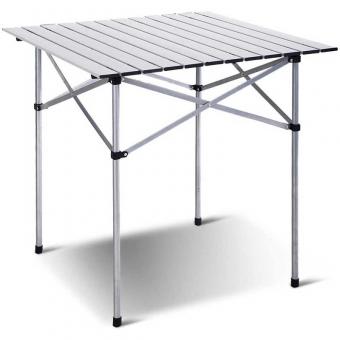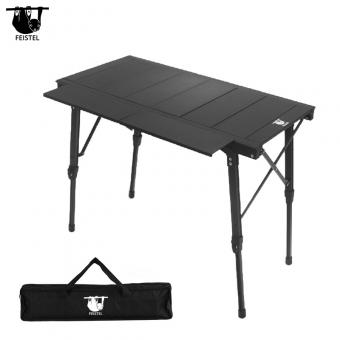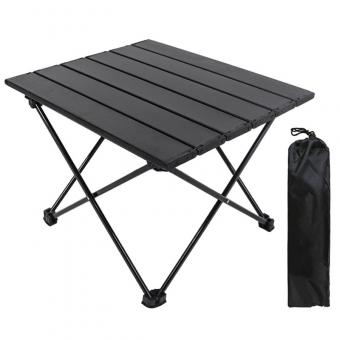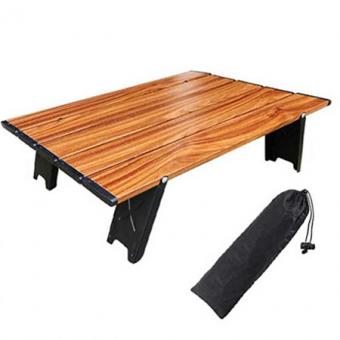
Marca : FABBRICA ANHUI FEISTEL Produzione correlata : OEM e ODM Prodotto : un tavolo da picnic leggero, piccolo e pieghevole, perfetto per le attività all'aperto. Realizzato con materiali durevoli, è portatile, facile da configurare.
né benvenuto nel nostro sito web!
Per saperne di più
Our four current canopy chair examples cover a single roof, a mesh-sided roof, two separate seats with a shared center area, and a connected loveseat. Their documented dimensions and weights differ. We recommend choosing by actual activity and checking each official page before making technical claims.
108 × 60 × 128 cm unfolded; 90 × 19 × 18 cm packed; steel and 600D Oxford
3.8 kg published net weight; powder-coated steel; 600D PVC Oxford
Two separate seats; central utility area; 8.5 kg; 120 kg rating basis to confirm
Connected loveseat seat; 8 kg; 141 × 50 × 93 cm; 120 kg rating basis to confirm
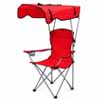
FEISTEL GW-AC102302 — Single Camping Chair with Roof
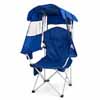
FEISTEL GW-AC102303 — Sunshade Chair with Mesh Side Panels
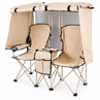
FEISTEL GW-102102 — Double Chair with Canopy and Table
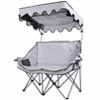
FEISTEL GW-102103 — Two-Person Loveseat with Canopy
At FEISTEL, we evaluate a camping chair with canopy as two coordinated systems: a folding seat that supports the intended user and an overhead fabric structure that provides a defined area of shade. The right choice depends on the activity, seating dimensions, transport distance, canopy geometry and the conditions of the ground. A bigger roof or heavier frame is not automatically a better product. We recommend checking the actual model and its intended application before comparing extras.
This article uses our published FEISTEL canopy-chair listings and general product-engineering principles. We distinguish a manufacturer-listed dimension or seated capacity from an independently verified test. We do not convert outside reviewers’ anecdotes, generic scientific explanations or unrecorded buyer comments into statements that our factory performed a particular trial. Specific claims concerning UPF, weatherproofing, strong wind or long-term fatigue require suitable evidence for the actual product.
A camping chair with canopy integrates a portable seat and an overhead shade panel. The panel may be supported by tubes connected to the chair, rather than by a separate umbrella stand. Different configurations may include open sides, side mesh, two individual seats or a connected loveseat. The expression canopy chair describes a category, not a standardized promise of adjustment, waterproofing, UV performance or wind resistance.
We currently feature single-seat FEISTEL GW-AC102302 with a roof, GW-AC102303 with mesh side panels, double GW-102102 with a central utility area, and double GW-102103 in a loveseat arrangement. Each offers a different spatial and carrying trade-off. Before purchasing, compare the seat arrangement and the real folded and unfolded dimensions rather than assuming that all four provide the same shaded experience.
An integrated canopy can make personal shade easier to organize because the overhead structure moves with the chair. A user resting at a picnic, fishing site or vehicle-supported campsite may value having a seat and shade in a coordinated package. But the additional fabric, poles and connections create more weight and transport volume than some ordinary folding chairs. We recommend evaluating the complete carried equipment rather than simply counting the number of functions.
An integrated seat does not replace a large group shelter. It cannot automatically shade a cooking station, several independent chairs or people standing nearby. A separate canopy or umbrella may provide different positioning flexibility. The best solution follows the intended activity: individual stationary rest, shared two-person seating, group dining or long-distance walking.
Shade arises because fabric intercepts part of the direct sunlight before it reaches the seated area. The resulting shadow moves as the sun’s elevation and direction change. A roof can cover the head and upper torso in one position yet allow low-angle sunlight from a side later in the day. We therefore recommend examining canopy width, height, overhang and orientation, rather than judging protection from a single photograph taken at midday.
For product development, a simple shadow diagram or photos taken from different solar directions may better communicate coverage than an undefined claim of full shade. Any quantitative shaded-area figure should specify the canopy position, sun angle and measurement method. We do not invent a FEISTEL percentage of shade coverage where no model-specific record is available.
A canopy can reduce direct sunlight in its shadow without eliminating ultraviolet exposure. UV radiation can reach a person through the fabric, from open sides and through scattering or reflection from the environment. The level of textile protection depends on material and test conditions. We recommend saying that a canopy provides overhead shade, while reserving particular UPF or UV-blocking percentages for the actual fabric with verified supporting documents.
UPF normally describes a tested textile property, whereas SPF is associated with sunscreen evaluation. Neither a 600D yarn designation nor a PVC coating alone establishes a UPF 50+ result. For overseas retail claims, FEISTEL buyers should determine the appropriate market test method, confirm the exact fabric version and keep its report linked to the marketed configuration.
Overhead shade may reduce the direct solar radiation received by part of the body, which can affect perceived comfort. Yet it does not automatically lower ambient air temperature or prevent heat stress. Wind, humidity, clothing and fabric airflow also matter. At FEISTEL, we use careful language such as “provides overhead shade” instead of claiming a measured temperature reduction without a documented evaluation.
An open-sided roof and one with additional fabric or mesh side panels can create different airflow and visibility conditions. The better choice depends on surrounding weather and personal preference. We recommend adequate hydration and suitable heat precautions regardless of whether a chair includes a canopy; the product is outdoor seating, not climate-control equipment.
Overall chair height, roof elevation above the seat and actual head clearance are three different dimensions. A taller roof can offer more headroom but may shade the seated body differently when sunlight arrives at an angle. For accurate specifications, we recommend identifying the measurement points and, where useful, showing a seated person with the roof in its intended position.
GW-AC102302 lists a 128 cm overall unfolded height, while the double GW-102102 lists 133 cm. These values describe the assembled products; neither should be copied into a claim about internal headroom. In a customization brief, canopy width, depth, elevation and folded clearance should each be specified separately.
Canopies may be fixed in a designed position or incorporate folding, removal or adjustment features. These are independent capabilities. A folding canopy is not necessarily tiltable, and a roof connected to the chair is not necessarily removable without tools. FEISTEL recommends checking the exact model’s documentation before adding adjustable, rotating or detachable keywords to a product title.
Additional adjustment points may change frame geometry, operating forces and the way the fabric is exposed to wind. Any new feature should be reviewed technically and evaluated on a prototype. The marketing benefit must be balanced with operating simplicity, assembly correctness and storage dimensions.
A roof-style canopy usually sits above the chair on a supporting structure attached to its frame. An umbrella arrangement may use a distinct umbrella-shaped shade and support. The difference influences packaging, orientation and the location where shade falls. Neither format is categorically superior: an integrated roof may be simpler to organize, whereas a separately positionable shade may serve a different need.
Our official single-seat models are described as roof or sunshade canopy chairs, not as detachable umbrella products. We recommend accurate classification and truthful photographs. A search keyword should not override the physical design of a FEISTEL model.
GW-AC102302 is our roof-style single-seat folding canopy chair. Its official listing identifies 600D Oxford fabric, a steel-tube frame, unfolded dimensions of 108 × 60 × 128 cm and packed dimensions of 90 × 19 × 18 cm. Different tube sections are specified for legs, cross-braces and canopy supports. These are published model details, not claims of completed wind or UV certification.
We recommend this model as a starting point for car-supported outdoor use where one person wants an integrated overhead roof. The long packed dimension should be checked against the vehicle or intended storage space. Buyers needing a precise seat rating, fabric UPF or canopy wind threshold should request current product-specific documentation before advertising those figures.
GW-AC102303 combines an overhead canopy with mesh side sections and a powder-coated steel frame. The official page lists 600D PVC Oxford fabric and a net weight of 3.8 kg. Its design provides a different side-screening profile from a chair with only an open roof. We describe this geometry precisely rather than assuming that mesh panels create a fully enclosed insect-proof shelter.
For buyers, the trade-off includes visibility, perceived enclosure, airflow and exposed fabric area. The practical result depends on the material construction and weather. Claims of certified UV protection, fixed cooling percentages or immunity to mosquitoes require separate evidence and should not be inferred from the photographs.
GW-102102 provides two separate seating positions beneath a common canopy, with a central fabric-covered utility surface. Its official page lists a steel frame, 600D Oxford fabric, unfolded dimensions of 107 × 50 × 133 cm and a net weight of 8.5 kg. The middle area can organize selected lightweight items but must not be assumed to have the same rating as the seats or a dedicated dining table.
The listing includes a 120 kg load figure without an unambiguous per-seat versus combined-unit interpretation. Until a specification confirms the basis, FEISTEL editorial content should not state that each of the two seats independently supports 120 kg. This clarification is important for safe consumer messaging, wholesale quotations and product labels.
GW-102103 offers a connected loveseat-style seat under a roof canopy. Its listing identifies steel tubing, 600D Oxford fabric, unfolded dimensions of 141 × 50 × 93 cm and 8 kg net weight. Unlike two separated seats with a central utility section, a continuous loveseat presents a different shared seating experience. We recommend comparing how each arrangement supports the intended two users rather than assuming the same body fit.
The listed 120 kg load needs the same per-seat or combined clarification as the other double model. A wider overall product does not automatically provide two equivalent seating ratings. Users also need adequate open space for entering, leaving and transporting the entire assembly.
A single-seat canopy chair creates an individual resting area and may be easier to reposition. A double arrangement offers shared seating but requires more space and generally increases the amount carried. With FEISTEL, the two double models also differ from each other: one has two separated seats with a center surface, while the other has a connected loveseat-style seat.
For an accurate purchase, compare usable sitting spaces, overall width, carried weight and load documentation. Do not divide a reported total capacity by two or multiply a single-seat figure without an explicit basis. We recommend providing an unambiguous rating for each marketed configuration.
An open roof allows relatively unobstructed side access and viewing, while additional mesh or fabric panels change enclosure and airflow. Mesh typically has openings through which air can pass, but the degree of ventilation depends on its construction and the surrounding wind. The visible presence of mesh does not certify any ultraviolet blocking percentage, insect exclusion or thermal performance.
We recommend describing the specific user need: visibility, shade from certain directions, a more private sitting experience or a simpler entry path. Technical drawings and photos from both sides help buyers evaluate these practical differences better than general terms such as “all-round protection.”
A roof can intercept some rain without being a waterproof shelter. Water behavior depends on textile coatings, seam construction, roof slope, exposure time and rainfall intensity. A 600D Oxford or PVC Oxford name alone does not provide a tested hydrostatic-head value or proof that the full assembly keeps the occupant dry. We therefore avoid unqualified waterproof, rainproof or storm shelter claims.
Any water-resistance requirement for an OEM project should identify the exact fabric or complete assembly, intended method and acceptance conditions. Canopy chairs are not substitutes for suitable shelter during severe weather, and a fabric roof with metal supports does not offer lightning protection.
An overhead fabric roof creates an area on which moving air can act. The resulting forces can transfer through canopy tubes, joints and the lower seat frame. Performance depends on roof orientation, exposed area, actual wind and the ground-contact arrangement. A heavy steel frame is not proof of a particular safe wind speed. We recommend following product instructions and avoiding unsuitable windy conditions.
Changing canopy size or adding side panels can affect wind-related loading, even if the seated capacity remains unchanged. For wholesale projects, a numerical wind claim must be connected to an appropriate product-specific method and conditions. We do not represent a general engineering explanation as an FEISTEL completed wind tunnel test.
A chair may be structurally capable of bearing a seated load while remaining vulnerable to tipping on an unsuitable surface. Foot-contact area, ground firmness, slope and the user’s position all matter. Sand can deform beneath concentrated support points; uneven gravel can leave a foot less fully supported. The canopy adds an elevated surface that must also be considered when assessing placement.
We recommend choosing firm, suitable terrain and keeping the chair within its intended operating conditions. Statements such as “stable on any beach” or “never sinks in sand” should not be used without controlled model-specific evidence. A seating load figure and a stability claim measure different properties.
Steel tubing provides the frame of the four FEISTEL canopy-chair examples in this article. Tube dimensions, wall thickness, bracing, connection locations and surface treatment affect the assembly. A strong-looking leg tube alone cannot prove the roof support or a folding joint’s capacity. We recommend examining the entire structure, with special attention to the interface between elevated canopy supports and the lower frame.
The choice between steel and aluminum in a new development project should be driven by target mass, cost, geometry and verified performance requirements. Material density alone does not decide the finished chair’s durability or wind behavior. Appropriate surface maintenance is important outdoors, including the condition of any powder coating.
600D refers to a yarn linear-density designation, not the completed fabric’s waterproofing, UV protection or tear-strength rating. Oxford describes a textile construction. PVC-coated Oxford includes a coating, but its exact performance depends on the coating specification, textile weave and manufacturing process. We recommend avoiding claims that all 600D fabrics behave identically.
For canopy products, fabric testing can address UV transmission, colorfastness or water behavior when a buyer requires these characteristics. For the seat, sewing, tension and support attachments are also relevant to load-bearing performance. A fabric certificate alone cannot certify the load capacity of the assembled chair.
The chair must fit a person before the shade feature can add practical value. Seat depth, actual usable width, armrest placement and back angle influence posture. The space below the roof must also accommodate the user’s head without making entry awkward. Overall open height is not the same as occupied vertical headroom, and external width is not necessarily clear seat width.
At FEISTEL, we recommend documenting these measurements where comfort or size is a selling point. We do not claim a medical benefit or universal comfort rating from a canopy chair. A realistic sample fitting process is more informative than an “ideal for everyone” slogan.
Portability is a combination of mass, package dimensions, carrying handles and required assembly. GW-AC102303 lists 3.8 kg net weight; the double chairs list approximately 8 kg and 8.5 kg respectively. GW-AC102302 lists a 90 × 19 × 18 cm packed package. These are product-specific facts that help a buyer check a vehicle trunk or storage compartment rather than relying only on the word portable.
An integrated canopy reduces the need to manage a separate personal shade device but may produce a longer or heavier chair package. Buyers should compare the entire equipment arrangement, including accessories, for the actual walking distance. Product net weight, packed chair size and export carton dimensions are different measurements.
A canopy chair has moving seating components and an overhead support system. Both must reach their intended operating positions before use. We recommend following the exact assembly sequence and keeping fingers away from pivots and other pinch points. The user should not force a connector that feels abnormally resistant. A quick setup label should be based on a defined process, not an edited video alone.
For OEM projects, repeated folding endurance may be important. A relevant trial should identify the sample configuration, operating conditions, cycle count and acceptance criteria. We describe these as recommended verification practices, not as tests already performed on every FEISTEL model.
Beach visitors may appreciate an individual shaded seat when natural shade is limited. Yet sand support, salt exposure, carrying distance and changing wind can be more important than roof appearance alone. We recommend reviewing both the chair feet and canopy operating limits. A chair that is convenient near a car may be less practical for a long walk across loose sand.
After appropriate use, loose sand and moisture should be removed in accordance with the product care instructions. We do not describe any FEISTEL model as universally sandproof or safe under strong coastal gusts without corresponding evidence. Sun protection beyond the shaded area may still be needed.
Fishing often involves stationary rest and occasional movement to handle equipment. A canopy seat can create a personal shaded position in suitable conditions, but its supports must not interfere with the user’s movement or gear. Riverbanks, gravel and wet grass require careful placement. At FEISTEL, we recommend examining the actual fishing site before favoring a roof size or accessory.
Open-sided roof models may provide a different field of view than those with mesh side sections. Double chairs can create shared resting space but increase the package and load-clarification requirements. We do not claim to have performed model-specific FEISTEL fishing field trials unless such records are available.
A canopy rising above a chair can obstruct the view behind it. Some sports and festival venues restrict shade structures, chair height or the space occupied by attendees. We recommend checking the rules for the actual event, not describing canopy seating as universally stadium-approved. Full unfolded height and roof overhang matter alongside seat comfort.
Walking from distant parking areas adds a transport requirement. A single chair may be more manageable than a double assembly, but the decision depends on actual weight, package shape and distance. We recommend showing these numbers in product pages and avoiding unsupported claims about venue access.
RV users can often carry larger furniture, but cargo compartments have specific dimensions and other essential equipment must also fit. Canopy chairs may provide convenient stationary shade around a vehicle. Repeated overnight stops make folding, cleanliness and dry storage important. We recommend checking folded package sizes and the clearance available once the chair is deployed.
Double canopy configurations may suit two travelers who want shared seating, while separate single chairs allow independent positions. No setup is universally best. FEISTEL recommends choosing based on vehicle storage, seating preference, handling frequency and product instructions rather than copying unrelated travel testimonials.
A two-person product should be evaluated for the body dimensions and loads of both intended users. The separated-seat GW-102102 and connected-seat GW-102103 provide different types of proximity and storage convenience. The actual shaded area will vary with sunlight direction. The intended users should also have safe entry, exit and leg space.
Children should not automatically use adult-sized folding furniture without considering suitability and supervision. Folding joints and overhead supports are not play equipment. Retail pages should be clear about actual capacity information and not infer a per-seat value from an ambiguous total.
An integrated chair shade follows one seating position, while a freestanding shelter can potentially cover several people and equipment. The shelter requires a different support, anchoring and transport arrangement. We recommend evaluating the scale of the task: individual rest, two-person seating, group dining or equipment coverage. An integrated canopy chair does not replace a storm shelter.
Selecting the right format may also reduce unnecessary purchases. A camper who already owns a suitable group shelter may prefer ordinary chairs beneath it, while another user may value one portable chair-and-shade combination. We discuss these design choices without recommending third-party products.
Comfort depends on the user, posture, seat geometry, body-contact materials and surrounding environment. A roof may reduce some direct sunlight yet leave the air warm. Side panels can change the feeling of enclosure and the flow of air. No isolated feature guarantees comfort during an entire afternoon. FEISTEL recommends realistic fitting and clear specifications instead of invented satisfaction percentages.
For manufacturers, a user evaluation should record the model, participants, activity, duration and conditions if observations are to be published. Personal impressions may inform design, but a small informal trial should not be represented as a representative scientific study. We keep our advice conditional on intended use and documented product facts.
After outdoor use, fabric, tubing and folding joints may retain sand, dirt or moisture. We recommend following the model-specific cleaning procedure, removing loose debris and drying the assembled parts appropriately before long storage. Product coatings and fabric finishes may require different care. Do not force wet or incorrectly aligned components into a carrying bag.
Inspect visible canopy attachment points, seams, tube deformation and unusual folding resistance. A chair showing suspected structural damage should not remain in service until assessed. We avoid promising a fixed lifespan from a material label alone; actual durability depends on use, environment, maintenance and construction.
Before sitting, open the frame completely and position all supports as instructed. Keep hands clear of folding pinch points, do not hang objects or children from the canopy and do not treat the chair as a ladder. Select an appropriate ground surface and observe the stated seating load. The roof should be used only within the intended conditions, especially when wind or severe weather changes.
For double-seat products, uncertainty about the load-rating basis should be resolved before claiming individual-seat capacities. An attached table, where present, has its own intended function and should not be assumed to share the seating rating. General safety advice does not replace the actual product manual.
Inspection should begin with the approved product identity: model, canopy configuration, color, frame and packaged accessories. Frame alignment, visible tube condition, connectors, canopy seams and folding operation should be evaluated against agreed criteria. A product may appear attractive in photographs while still requiring verification of critical dimensions and assembly details.
Different performance claims call for different methods: a seat load test, UV fabric assessment, water-related evaluation, wind-stability trial or repeated folding program are not interchangeable. We recommend keeping the model, sample, method, conditions, acceptance criteria and date with each report. The existence of one material certificate does not certify the whole chair.
For an OEM/ODM inquiry, we recommend defining the target customer, seating arrangement, frame materials, canopy dimensions, fabric requirements, branding and packaging. Cosmetic choices and functional changes should be handled differently. New roof dimensions, tube locations or side panels may change wind exposure, folding clearance, weight and connection forces, so technical review and prototype approval are important.
FEISTEL discusses customization based on actual project feasibility. Specific options, minimum quantities, lead times and applicable tests must be confirmed for the selected configuration. We do not imply that every material color or structure has already received identical certifications, and we do not fabricate prior customer orders as examples of our production experience.
Importers should request current specifications for the exact SKU, not rely on loosely similar photographs or titles. For the two double configurations, clarify whether 120 kg refers to one seat or the whole assembly. For every model, distinguish opened dimensions, folded product size, net weight, gross weight and export carton measurements. These values affect consumer expectations and freight calculations differently.
We recommend matching a physical approved sample to a written inspection checklist. Required labels and destination-market obligations should be defined before shipment. A lower price does not overcome an inaccurate capacity claim or missing documentation. Good supplier communication starts with precise product facts, not exaggerated phrases such as “completely windproof.”
A more elaborate canopy chair is not automatically better value. Single-seat roof models, side-panel chairs and double assemblies solve different needs. Value depends on whether the purchaser benefits from the added shade geometry, seating arrangement, carrying weight and accessories. We recommend selecting the necessary functionality rather than purchasing features that complicate storage without serving the intended activity.
For wholesale buyers, total value also includes technical clarity, packaging, inspection procedures and customer service requirements. Unsupported superlatives or invented performance rankings create avoidable risk. FEISTEL prefers a product comparison built on the actual features and specifications of each model.
Common mistakes include treating visible shade as certified UPF protection, equating 600D fabric with waterproofing, assuming a heavy frame is windproof, or using a seat capacity for an attached table. Another problem is interpreting overall unfolded height as head clearance. We recommend keeping these measurements and claims separate and requesting product-specific documentation when a performance assertion matters.
Double-chair listings deserve special care: an ambiguous 120 kg figure should not be converted into “120 kg per seat” by assumption. Similarly, folding, adjusting and detaching a canopy are separate features. Clear marketing can still be persuasive without claiming capabilities that have not been checked.
Does a canopy chair completely block UV? No; fabric transmission, geometry and side exposure matter. Is a roof chair waterproof? Not without applicable verification. Can it be used in strong wind? Follow the specific product instructions and avoid unsuitable conditions. Does FEISTEL offer a mesh-side canopy chair? Yes, GW-AC102303. Is there a two-seat model with central utility space? Yes, GW-102102.
Is the listed 120 kg on FEISTEL double models a per-person rating? The currently available wording needs clarification; ask before assigning it to each seat. Can we discuss private-label development? Yes, subject to feasibility, samples and commercial confirmation. What should buyers compare first? Seating fit, intended shade arrangement, packed size, terrain suitability and verified specification details.
At FEISTEL, we recommend GW-AC102302 as a starting point for a single roof-style canopy seat, GW-AC102303 when side mesh screening is a priority, GW-102102 for separated double seats with a central utility area, and GW-102103 for a connected loveseat profile. These are use-based recommendations, not the results of a fabricated comparative test. Actual user dimensions and operating conditions still determine suitability.
A trustworthy canopy-chair guide distinguishes overhead shade from proven UV protection, a seated load from tabletop capacity, and a stable setup from a wind-rating claim. We encourage retailers and importers to verify current model details, obtain necessary reports and discuss OEM/ODM requirements with FEISTEL. Accurate specifications and clear limitations are better long-term marketing than promises that no product can responsibly make.
categorie
nuovo blog
Marca : FABBRICA ANHUI FEISTEL Produzione correlata : OEM e ODM Prodotto : un tavolo da picnic leggero, piccolo e pieghevole, perfetto per le attività all'aperto. Realizzato con materiali durevoli, è portatile, facile da configurare.
Marca : FABBRICA DI ANHUI FEISTEL Relaziona la produzione : OEM e ODM Prodotto : La sedia pieghevole Moon Chair in metallo leggero e personalizzata offre un supporto durevole e comfort, ideale per il campeggio all'aperto, con un design compatto e portatile per un facile trasporto e stoccaggio.
Marca : FABBRICA ANHUI FEISTEL Produzione correlata : OEM e ODM Prodotto : tavolo da picnic arrotolabile portatile da esterno: design in alluminio leggero e resistente con altezza regolabile, facile installazione e borsa da trasporto compatta per campeggio, picnic e attività all'aperto.
Marca : FABBRICA ANHUI FEISTEL Produzione correlata : OEM e ODM Prodotto : tavolo da campeggio IGT BBQ versatile e portatile con gambe regolabili in altezza. Ideale per cucinare all'aperto, campeggio e picnic. Leggero e pieghevole per un facile trasporto.
Marca : FABBRICA ANHUI FEISTEL Produzione correlata : OEM e ODM Prodotto : tavolo pieghevole in alluminio compatto e leggero, perfetto per il campeggio, la spiaggia o le attività all'aperto. Facile da trasportare, robusto e ideale per contenere cibi e bevande.
Marca : FABBRICA DI ANHUI FEISTEL Relaziona la produzione : OEM e ODM Prodotto : Questa sedia a sdraio pieghevole da campeggio in legno è dotata di una struttura robusta, un design ergonomico reclinabile e una struttura pieghevole compatta: perfetta per rilassarsi in spiaggia, in campeggio o in giardino.
Marca : FABBRICA DI ANHUI FEISTEL Relaziona la produzione : OEM e ODM Prodotto : Questa sedia da campeggio pieghevole con struttura in alluminio per esterni è dotata di schienale regolabile, design leggero ma robusto, e offre comfort portatile per il campeggio, le gite in spiaggia, i picnic e il relax all'aria aperta.
Marca : FABBRICA DI ANHUI FEISTEL Relaziona la produzione : OEM e ODM Prodotto : Il mini sgabello da escursionismo e zaino in spalla unisce un design pieghevole in resistente tessuto Oxford a una tasca portapenne creativa, offrendo portabilità, comfort e praticità per il campeggio e le avventure all'aria aperta.
Marca : FABBRICA DI ANHUI FEISTEL Relaziona la produzione : OEM e ODM Prodotto : Il lettino da viaggio per attrezzatura da escursionismo all'ingrosso è un lettino da campeggio pieghevole ad altezza regolabile che offre un supporto robusto, una facile trasportabilità e un riposo confortevole per le avventure all'aria aperta.
Marca : FABBRICA ANHUI FEISTEL Produzione correlata : OEM e ODM Prodotto : un lettino da campeggio pieghevole portatile singolo ultraleggero e compatto, ideale per lo zaino in spalla, caratterizzato da un telaio resistente, una facile installazione e una comoda borsa per il trasporto per i viaggi.
RIMANIAMO CONNESSI :