Sughero vs schiuma vs gomma: quale impugnatura per bastoncini da trekking è adatta a te?
2026-07-31
Quando si scelgono i bastoncini da trekking, la maggior parte degli escursionisti si concentra ossessivamente sui materiali del fusto—alluminio 7075 contro fibra di carbonio—trascurando quello che è probabilmente il componente più critico: l'impugnatura. Durante una tipica giornata di escursione, le tue mani effettuano migliaia di micro-aggiustamenti sui bastoncini, trasmettendo forza attraverso le impugnature a ogni appoggio del bastoncino. Il materiale giusto dell'impugnatura riduce al minimo il disagio, previene le vesciche e massimizza l'efficienza del trasferimento della forza.
Tre materiali dominano il mercato: sughero controschiuma EVA, e gomma. Ognuno offre vantaggi e compromessi distinti in termini di gestione dell'umidità, conduzione della temperatura, assorbimento delle vibrazioni, durata e peso.
Impugnature in sughero: il concorrente naturale
Le impugnature in sughero sono composte da granuli raccolti dalle querce da sughero, generalmente legati con polimeri sintetici per creare un materiale composito resistente. Questo approccio sostenibile utilizza la corteccia che si rigenera dopo la raccolta, rendendola una scelta ecologica.
Perché gli escursionisti amano il sughero
Eccellente gestione dell'umidità. Il sughero allontana naturalmente il sudore mantenendo l'attrito quando è umido. A differenza dei materiali sintetici che diventano scivolosi quando sono bagnati, il sughero offre una presa sicura durante le salite con molto sudore. La struttura microcellulare del materiale allontana l'umidità dalla pelle e permette che evapori. Come ha affermato un recensore, le impugnature in sughero "non fanno sudare le mani in condizioni calde".
Adattabilità personalizzata. Attraverso l'uso ripetuto e l'esposizione al calore corporeo, il sughero si adatta gradualmente alla forma della mano, creando una vestibilità personalizzata che riduce al minimo i punti di pressione. Una recensione dettagliata osserva che le impugnature in sughero "possono sfregare un po' all'inizio, [ma] si modellano gradualmente sulle mani". Più le usi, più diventano confortevoli.
Regolazione della temperatura. Il sughero presenta una bassa conducibilità termica, rimanendo piacevolmente neutro al tatto anche con temperature estreme. Non dà una sensazione di gelo in condizioni fredde né diventa spiacevolmente caldo alla luce diretta del sole.
Assorbimento delle vibrazioni. Il sughero offre un assorbimento degli urti sufficiente per la maggior parte delle condizioni dei sentieri, filtrando efficacemente le vibrazioni ad alta frequenza dei terreni accidentati. Garantisce una riduzione moderata delle vibrazioni—circa a metà strada tra schiuma e plastica.
Svantaggi del sughero
Variabilità della durata. La qualità del sughero influisce significativamente sulla longevità. Le impugnature di alta qualità con un elevato contenuto di sughero resistono al deterioramento, mentre le opzioni economiche con una quantità eccessiva di agenti leganti possono sgretolarsi nel tempo. Il sughero è un materiale naturale e biodegradabile che alla fine si degraderà.
Peso. Il sughero è sempre più pesante della schiuma EVA. Un produttore osserva che, nonostante siano identici in tutto tranne che nelle impugnature, i bastoncini in EVA pesano 7 oz per bastoncino mentre quelli in sughero pesano 9,5 oz per bastoncino.
Periodo di adattamento. A differenza delle alternative che offrono comfort immediato, il sughero richiede un certo periodo di adattamento prima di raggiungere la sua forma personalizzata ottimale.
Manutenzione. Il sughero beneficia di una pulizia occasionale con acqua e sapone per prevenire l'accumulo di olio e sporco.
Ideale per
Condizioni calde e umide in cui la gestione del sudore è fondamentale
Escursionisti di lunga distanza che apprezzano il comfort personalizzato nel tempo
Escursionismo a mani nude con clima caldo
Persone amanti delle attività all'aperto attente all'ambiente
Impugnature in schiuma EVA: il modernismo leggero
EVA (etilene vinil acetato) è una schiuma polimerica a celle chiuse nota per le sue proprietà di leggerezza e le eccezionali capacità ammortizzanti. Questo materiale sintetico ha acquisito una notevole popolarità nel settore delle attività all'aperto.
Perché gli escursionisti scelgono la schiuma
Ammortizzazione superiore. La schiuma EVA è il campione indiscusso quando si tratta di assorbimento degli urti e comfort morbido. La struttura a celle chiuse del materiale contiene migliaia di minuscole bolle d'aria che si comprimono sotto pressione, riducendo le forze d'impatto fino al 30% rispetto alla gomma. Questo rende l'EVA il materiale preferito per applicazioni che richiedono un contatto prolungato con superfici dure.
Leggerezza. L'EVA è più leggero del sughero, meno abrasivo e molto più economico da produrre. Per gli escursionisti ultraleggeri che contano ogni grammo, questa differenza di peso è importante.
Comfort immediato. L'EVA offre comfort immediato appena estratto dalla confezione, senza bisogno di un periodo di adattamento. Le impugnature in schiuma sono "morbide da tenere, convenienti e leggere".
Asciugatura rapida. La schiuma sembra asciugarsi più velocemente del sughero.
Calore al freddo.Schiuma e sughero sono entrambi molto più caldi al freddo rispetto alla gommaLa struttura a celle chiuse dell'EVA fornisce isolamento termico.
Svantaggi della schiuma
Assorbimento dell'umidità.Le impugnature in schiuma sono "morbide e confortevoli, ma hanno anche maggiori probabilità di assorbire umidità e sudore"Mentre la schiuma EVA offre "una gestione del sudore superiore", trattiene l'umidità sulla superficie invece di allontanarla come fa il sughero.
Problemi di durata.La morbidezza del materiale lo rende soggetto a danni da abrasione dovuti alla compressione dell'attrezzatura negli zainiMentre le formulazioni ad alta densità migliorano la longevità, l'EVA mostra generalmente usura più rapidamente della gomma o del sugheroLa schiuma EVA di qualità inferiore può sviluppare un'indentazione permanente nel tempo, in particolare nei punti in cui le dita esercitano una pressione costante.
Limitazioni della texture.La superficie liscia dell'EVA offre una texture meno aggressiva rispetto alla gomma, il che potrebbe essere un elemento da considerare per terreni tecnici che richiedono la massima sicurezza.
Ideale per
Escursionisti che danno priorità al comfort, persone con artrite o problemi di affaticamento delle mani
Escursionisti ultraleggeri che privilegiano il peso minimo
Acquirenti attenti al budget
Avventurieri in condizioni fredde che necessitano di isolamento termico
Specialisti degli attraversamenti d'acqua che affrontano frequenti condizioni di bagnato
Impugnature in gomma: il cavallo di battaglia resistente
La gomma è la scelta classica per le applicazioni che richiedono una presa superiore e resistenza all'abrasioneDisponibili sia in varianti naturali (derivate dal lattice) sia sintetiche, i composti di gomma bilanciano generalmente flessibilità e resistenza all'usura.
Perché gli escursionisti usano la gomma
Massima durata.La gomma generalmente supera sia il sughero sia l'EVA nella resistenza all'abrasione, mantenendo la propria integrità strutturale attraverso anni di uso intensoIl materiale rimane elastico in un'ampia gamma di temperature, mantenendo la presa su superfici bagnate o asciutte.
Sicurezza in ogni condizione atmosferica.La gomma offre la massima trazione in tutte le condizioniOffre prestazioni costanti anche durante i periodi di conservazioneI bastoncini invernali utilizzano quasi universalmente impugnature in gomma.
Eccellente assorbimento degli urti.Le impugnature in gomma sono eccellenti per l'assorbimento degli urtiLe impugnature rivestite in gomma forniscono assorbimento degli impatti e controllo della temperatura.
Svantaggi della gomma
Vesciche sulle mani nude.La gomma è rigida e non assorbe l'umidità, il che può causare attrito e vesciche sulle mani nudeQuesto non importa se indossi i guanti, ma per le escursioni con clima caldo è una preoccupazione significativa.
Freddo in inverno, caldo in estate.La gomma conduce facilmente la temperatura, risultando fredda in inverno e calda alla luce solare diretta.
Più pesante.Le impugnature in gomma aggiungono più peso rispetto alle alternative in schiuma o sughero.
Ideale per
Trekking invernale e ad alta quota
Escursionismo con guanti (dove l'assorbimento dell'umidità è irrilevante)
Terreni tecnici che richiedono la massima sicurezza
Utenti che danno priorità alla durata sopra ogni altra cosa
Tutte le condizioni meteorologiche in cui una presa costante è essenziale
Confronto diretto
Caratteristica
Sughero
Schiuma EVA
Gomma
Gestione dell'umidità
★★★★★ (allontana il sudore)
★★★ (assorbe, asciugatura più lenta)
★★ (non assorbe)
Ammortizzazione
★★★
★★★★★
★★★★
Durata
★★★ (varia in base alla qualità)
★★★
★★★★★
Peso
★★★ (più pesante)
★★★★★ (più leggero)
★★★
Vestibilità personalizzata
★★★★★ (si adatta alla mano)
★★
★
Prestazioni con clima freddo
★★★★
★★★★★
★★
Prestazioni con clima caldo
★★★★★
★★★
★★
Prezzo
★★ (più costoso)
★★★★★ (più economico)
★★★
Richiede rodaggio
Sì
No
No
La soluzione ibrida: il meglio di entrambi i mondi
Molti bastoncini da trekking di alta gamma ora presentano design di impugnature ibride che combinano materiali. I bastoncini Trail Cork di Black Diamond, ad esempio, utilizzano un'impugnatura in sughero naturale al 100% con un'estensione dell'impugnatura in schiuma EVA per cambiare presa durante le salite ripide. Questa configurazione offre il comfort del sughero che allontana l'umidità nel punto in cui la mano poggia naturalmente, oltre all'ammortizzazione leggera della schiuma quando è necessario impugnare più in basso il bastoncino durante i tornanti.
Diversi produttori ora realizzano impugnature con sughero combinato con estensioni in schiuma EVA, offrendo versatilità su terreni diversi.
In sintesi
Scegli il sughero se: fai escursioni in condizioni calde e con molta sudorazione e desideri un'impugnatura che migliori con l'uso, si adatti alla tua mano e gestisca naturalmente l'umidità. Il prezzo elevato vale la pena per gli escursionisti esperti che trascorrono lunghe giornate sui sentieri.
Scegli la schiuma EVA se: dai priorità alla leggerezza, al comfort immediato e a un prezzo conveniente. Le impugnature in schiuma sono ideali per gli escursionisti ultraleggeri e per chi cerca il massimo comfort e non si preoccupa di una durata leggermente inferiore.
Scegli la gomma se: fai escursioni in condizioni invernali, indossi guanti o affronti terreni tecnici dove la massima aderenza e durata sono imprescindibili.
Come ha riassunto un escursionista esperto: "Preferisco il sughero alla schiuma, ma la schiuma sembra asciugarsi più velocemente, è più economica e più resistente. Entrambe sono valide e dipende più da una preferenza personale"La "giusta" impugnatura dipende in definitiva da dove fai escursioni, quando fai escursioni e da ciò che conta di più per te.
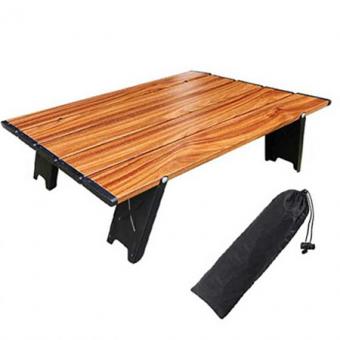
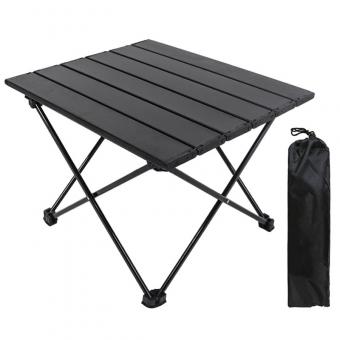
Marca : FABBRICA ANHUI FEISTEL Produzione correlata : OEM e ODM Prodotto : un tavolo da picnic leggero, piccolo e pieghevole, perfetto per le attività all'aperto. Realizzato con materiali durevoli, è portatile, facile da configurare.
Marca : FABBRICA DI ANHUI FEISTEL Relaziona la produzione : OEM e ODM Prodotto : La sedia pieghevole Moon Chair in metallo leggero e personalizzata offre un supporto durevole e comfort, ideale per il campeggio all'aperto, con un design compatto e portatile per un facile trasporto e stoccaggio.
Marca : FABBRICA DI ANHUI FEISTEL Relaziona la produzione : OEM e ODM Prodotto : Questa sedia da campeggio pieghevole con struttura in alluminio per esterni è dotata di schienale regolabile, design leggero ma robusto, e offre comfort portatile per il campeggio, le gite in spiaggia, i picnic e il relax all'aria aperta.
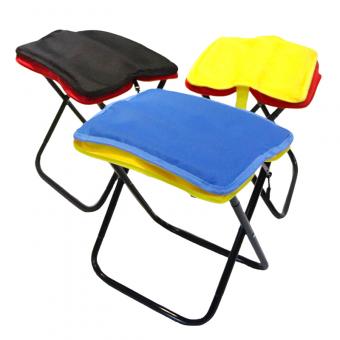
Marca : FABBRICA DI ANHUI FEISTEL Relaziona la produzione : OEM e ODM Prodotto : Il mini sgabello da escursionismo e zaino in spalla unisce un design pieghevole in resistente tessuto Oxford a una tasca portapenne creativa, offrendo portabilità, comfort e praticità per il campeggio e le avventure all'aria aperta.
Marca : FABBRICA ANHUI FEISTEL Produzione correlata : OEM e ODM Prodotto : tavolo da picnic arrotolabile portatile da esterno: design in alluminio leggero e resistente con altezza regolabile, facile installazione e borsa da trasporto compatta per campeggio, picnic e attività all'aperto.
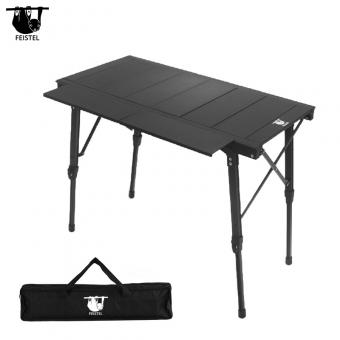
Marca : FABBRICA ANHUI FEISTEL Produzione correlata : OEM e ODM Prodotto : tavolo da campeggio IGT BBQ versatile e portatile con gambe regolabili in altezza. Ideale per cucinare all'aperto, campeggio e picnic. Leggero e pieghevole per un facile trasporto.
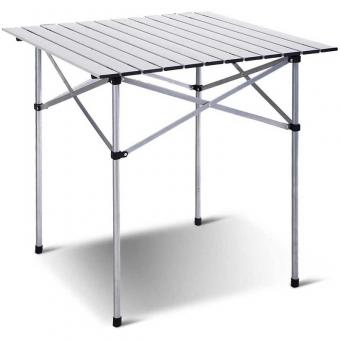
Marca : FABBRICA ANHUI FEISTEL Produzione correlata : OEM e ODM Prodotto : tavolo pieghevole in alluminio compatto e leggero, perfetto per il campeggio, la spiaggia o le attività all'aperto. Facile da trasportare, robusto e ideale per contenere cibi e bevande.
Marca : FABBRICA DI ANHUI FEISTEL Relaziona la produzione : OEM e ODM Prodotto : Questa sedia a sdraio pieghevole da campeggio in legno è dotata di una struttura robusta, un design ergonomico reclinabile e una struttura pieghevole compatta: perfetta per rilassarsi in spiaggia, in campeggio o in giardino.
Marca : FABBRICA DI ANHUI FEISTEL Relaziona la produzione : OEM e ODM Prodotto : Il lettino da viaggio per attrezzatura da escursionismo all'ingrosso è un lettino da campeggio pieghevole ad altezza regolabile che offre un supporto robusto, una facile trasportabilità e un riposo confortevole per le avventure all'aria aperta.
Marca : FABBRICA ANHUI FEISTEL Produzione correlata : OEM e ODM Prodotto : un lettino da campeggio pieghevole portatile singolo ultraleggero e compatto, ideale per lo zaino in spalla, caratterizzato da un telaio resistente, una facile installazione e una comoda borsa per il trasporto per i viaggi.
newsletter
iscriviti alla nostra newsletter per ricevere notizie, aggiornamenti, e offerte speciali via e-mail.