Campeggio in bassa stagione: come indossare una coperta tascabile per un calore extra
2026-02-26
Il campeggio in bassa stagione, quelle magiche finestre di primavera e autunno, quando la folla estiva si dilegua e la natura offre i suoi spettacoli più spettacolari, offre alcune delle esperienze all'aria aperta più gratificanti. L'aria è frizzante come non mai, i sentieri sembrano un rifugio privato e i campeggi offrono una pacifica solitudine che i campeggiatori estivi non sperimentano mai.
Tuttavia, questa bellezza transitoria presenta una sfida unica: temperature che oscillano drasticamente da pomeriggi caldi a notti sorprendentemente fredde. Un singolo sacco a pelo spesso si rivela inadeguato per queste condizioni, lasciando i campeggiatori tremanti o sudati senza una comoda via di mezzo. Ecco allora l'umile coperta tascabile: una soluzione leggera e ripiegabile che può trasformare il vostro sistema di sonno se indossata a strati in modo strategico. Questa guida esplora come padroneggiare l'arte della stratificazione delle coperte per il campeggio in bassa stagione, assicurandovi di stare al caldo senza surriscaldarvi e di stare comodi senza portare con voi un'attrezzatura eccessiva.
Comprendere le sfide della bassa stagione
Cosa definisce il campeggio in bassa stagione
La stagione intermedia si riferisce ai periodi tra i periodi di punta e quelli di bassa stagione, in genere la primavera (da aprile a inizio giugno) e l'autunno (da settembre a ottobre) nelle regioni temperate
Durante queste finestre, incontrerai temperature diurne più miti, perfette per le escursioni, meno insetti (addio, moscerini e vespe!) e tariffe per il campeggio significativamente ridotte.
Tuttavia, le condizioni meteorologiche diventano notoriamente imprevedibili. Un pomeriggio soleggiato può trasformarsi in temperature prossime allo zero entro mezzanotte, e rovesci primaverili o ondate di freddo autunnali possono arrivare con poco preavviso.
.
Il problema della variabilità della temperatura
La sfida fondamentale del campeggio in bassa stagione risiede nell'escursione termica. Le massime diurne possono raggiungere i confortevoli 18-22 °C (65-72 °F), ideali per le attività più dinamiche. Ma una volta tramontato il sole, le temperature possono scendere a 4-7 °C (40-45 °F) o anche più basse.
Il tuo sacco a pelo estivo, progettato per un calore costante durante la notte, diventa inadeguato. Al contrario, un sacco a pelo invernale pesante ti fa sudare nelle serate miti. È qui che gli approcci modulari e a strati, presi in prestito dai sistemi di abbigliamento, si rivelano preziosi per la tua configurazione del sonno.
.
La coperta tascabile: un articolo sottovalutato
Cosa rende speciale una coperta tascabile
Una coperta tascabile è esattamente ciò che sembra: una coperta progettata per essere ripiegata fino a diventare abbastanza piccola da stare in tasca o in una sacca. A differenza delle pesanti coperte di lana o delle ingombranti coperte in pile, le coperte tascabili di qualità utilizzano materiali avanzati per fornire calore senza appesantire. La maggior parte è realizzata in tessuti sintetici leggeri, spesso nylon o poliestere, con proprietà isolanti che trattengono il calore corporeo pur rimanendo altamente comprimibili. Se abbinate a materiali riflettenti come quelli presenti nelle coperte di emergenza, possono aumentare notevolmente il rapporto calore-peso del tuo sistema di sonno.
.
Perché le coperte sono meglio dei sacchi a pelo singoli nelle stagioni intermedie
I sacchi a pelo tradizionali offrono un isolamento fisso: si è dentro o fuori dal sacco, con possibilità di regolazione limitate. Le coperte, invece, offrono flessibilità. È possibile utilizzarle parzialmente drappeggiate, completamente avvolgenti o combinate con il sacco a pelo esistente in innumerevoli configurazioni. Questa adattabilità si adatta alla natura imprevedibile del clima di mezza stagione, consentendo di regolare il calore in base al variare delle condizioni durante la notte.
.
La scienza della stratificazione per il calore
Come funziona la perdita di calore in campeggio
Comprendere i principi fondamentali della fisica termica aiuta a spiegare perché funziona la stratificazione. Il corpo disperde calore attraverso quattro meccanismi: conduzione (contatto diretto con superfici fredde, come il terreno), convezione (calore trasportato dall'aria in movimento), radiazione (calore infrarosso che si disperde nello spazio) ed evaporazione (umidità che trasporta calore).
Un sistema di sonno ben progettato tiene conto di ogni percorso. L'isolamento termico contrasta la conduzione. Gli strati antivento contrastano la convezione. Gli strati riflettenti contrastano le radiazioni. E i materiali traspiranti gestiscono l'evaporazione.
.
Il principio dell'"aria morta"
L'aria ferma è uno dei migliori isolanti naturali. Quando si stratificano correttamente le coperte, si creano molteplici sacche d'aria intrappolate tra ogni strato. Queste sacche rallentano drasticamente il trasferimento di calore. Tuttavia, se si comprimono queste sacche d'aria, utilizzando troppi strati densi o sdraiandosi direttamente su di esse, si perde il loro valore isolante.
Ecco perché lo spessore (loft) è importante, ma lo è anche la spaziatura strategica tra gli strati.
Il primo strato dovrebbe essere posizionato direttamente contro il sacco a pelo o, in condizioni più miti, fungere da copertura primaria. Per questo ruolo, scegli un
coperta traspirante e traspirante
—idealmente uno realizzato o miscelato con fibre naturali come la lana merino o un misto lana-cotone. Le proprietà uniche della lana includono l'assorbimento di umidità fino al 30% del suo peso prima di risultare umida e la generazione di un delicato calore esotermico quando è umida.
Questo strato gestisce l'umidità prodotta dal corpo durante il sonno, prevenendo quella sensazione di sudore che in seguito porta al raffreddamento.
Se si utilizza una coperta tascabile realizzata principalmente con materiali sintetici, assicurarsi che abbia buone proprietà traspiranti. Alcuni campeggiatori trovano che l'aggiunta di un
sacco a pelo
sotto la coperta migliora sia la gestione del calore che dell'umidità
.
Fase 2: Il nucleo isolante
Lo strato intermedio fornisce la maggior parte della protezione termica. È qui che entra in gioco il sacco a pelo o una coperta isolante più spessa. Se si abbina una coperta tascabile al sacco a pelo, posizionare la coperta tascabile
Sopra
il sacco, non sotto di esso. Ciò consente al volume del sacco di rimanere non compresso mentre la coperta intrappola ulteriore aria calda sopra
.
Per coloro che utilizzano più coperte, considerare questo principio: il tuo
lo strato intermedio dovrebbe avere un loft significativo
per creare quegli spazi vuoti d'aria cruciali. Le coperte di piumino offrono un rapporto calore/peso eccezionale, ma perdono isolamento quando sono bagnate. Le imbottiture sintetiche offrono prestazioni migliori in condizioni di umidità, un fattore importante da considerare per il campeggio in bassa stagione, dove l'umidità è un fattore comune.
.
Fase 3: La barriera riflettente
Ecco dove le coperte tascabili brillano davvero. Molte
coperte leggere
incorporare o può essere abbinato a
materiali riflettenti
simili alle coperte termiche di emergenza. Queste superfici riflettenti riflettono il calore corporeo irradiato verso di te anziché lasciarlo disperdere nell'aria fredda della notte.
.
Per massimizzare questo effetto: posiziona la coperta riflettente come
strato più esterno
(o tra lo strato isolante e il guscio esterno). Il lato lucido dovrebbe essere rivolto verso l'interno, verso il corpo, per riflettere il calore. Tuttavia, assicurati che questo strato non sia a diretto contatto con la pelle o con il sacco a pelo, poiché i materiali riflettenti non traspiranti possono intrappolare l'umidità, causando problemi di condensa.
Crea un piccolo spazio d'aria tra lo strato riflettente e gli strati isolanti per consentire al vapore acqueo di fuoriuscire continuando a riflettere il calore
.
Un utente del forum che ha sperimentato configurazioni simili ha notato il successo nell'uso di una coperta di mylar come strato esterno su materiali isolanti, con la giusta spaziatura per prevenire la condensa, dimostrando che anche gli approcci fai da te possono funzionare efficacemente
.
Fase 4: Il guscio antivento
Lo strato finale ha un duplice scopo: bloccare la perdita di calore convettivo (vento) e fornire ulteriore isolamento. Questo potrebbe essere un
coperta esterna resistente all'acqua
, un sacco bivacco o anche una configurazione di telo ben progettata che sigilli la zona notte
La chiave è creare una barriera che impedisca all'aria in movimento di sottrarti il calore che hai accuratamente intrappolato.
Se la tua coperta tascabile non ha proprietà antivento, considera come potresti combinarla con altri equipaggiamenti.
coperta di lana in stile militare
può fungere da eccellente strato esterno in condizioni più asciutte, mantenendo le proprietà isolanti anche quando è umido
Negli ambienti più umidi, uno strato esterno impermeabile ma traspirante si rivela prezioso.
Fase 5: Integrazione dell'isolamento di terra
Nessuna discussione sul calore è completa senza considerare cosa c'è sotto di noi. Il terreno agisce come un enorme dissipatore di calore, assorbendo il calore dal nostro corpo attraverso la conduzione.
In molte situazioni, il materassino è in realtà più importante dell'isolamento termico.
Quando si indossano più coperte, bisogna considerare come si integrano con il materassino. Infilare le coperte sotto il corpo ne comprime l'isolamento, rendendole inefficaci. Assicuratevi invece che il materassino fornisca sufficiente calore.
Valore R
(valore di isolamento) per le condizioni: puntare a un valore R pari o superiore a 3 per il campeggio in bassa stagione
Quindi disponi le coperte in modo che ricadano sui lati, creando un effetto bozzolo che trattiene il calore senza comprimerlo.
Un approccio modulare al sistema di sonno, che abbina materassino, sacco a pelo e coperte alle condizioni, offre le migliori prestazioni con il minimo peso e volume di imballaggio.
.
Guida alla selezione dei materiali
Fibre naturali: lana e cotone
La lana merita un'attenzione particolare per il campeggio in bassa stagione. La lana merino, con diametri delle fibre inferiori a 19,5 micron, offre morbidezza a contatto con la pelle senza prudere.
Assorbe naturalmente l'umidità, resiste agli odori e mantiene le proprietà isolanti anche quando è umida. La struttura arricciata delle fibre di lana crea sacche d'aria elastiche che resistono alla compressione, il che significa che la coperta di lana continua a isolare anche sotto un peso parziale.
.
Il cotone, pur essendo comodo, non è resistente quando bagnato e dovrebbe essere generalmente evitato per il campeggio attivo. Tuttavia, gli strati esterni in tela di cotone possono offrire un'eccellente resistenza al vento e alle intemperie se tenuti asciutti.
.
Opzioni sintetiche
Le moderne coperte sintetiche offrono prestazioni impressionanti, in particolare in condizioni di bagnato. Materiali come
PrimaLoft
e altri isolamenti avanzati imitano la soffittatura della piuma mantenendo il valore isolante anche in condizioni di umidità.
coperte in pile e pile
offrono un eccellente rapporto calore/peso e si asciugano rapidamente, rendendoli ideali per ambienti soggetti a umidità
.
Il vantaggio riflessivo
Coperte che incorporano o sono progettate per essere abbinate a
pellicole metallizzate riflettenti
(come le coperte termiche) offrono un notevole aumento del calore con un peso minimo. Questi materiali riflettono fino al 90% del calore corporeo irradiato verso di te
Tuttavia, la loro mancanza di traspirabilità richiede una gestione attenta per prevenire l'accumulo di umidità
.
La rivista Backpacker evidenzia sette tecniche salvavita per le coperte termiche, tra cui il loro utilizzo come riflettori di calore posizionati per riflettere il calore del fuoco verso di te, o avvolgere una persona ipotermica "come un burrito" con il lato riflettente come strato più esterno sopra indumenti caldi e sacchi a pelo.
.
Scenari di applicazione pratica
Scenario A: la configurazione del campo base
Per il campeggio in auto o in un campo base in cui il peso non è un fattore critico, prendi in considerazione questo sistema a tre strati:
Base
: Sacco a pelo traspirante o coperta di lana leggera a contatto con la pelle
Nucleo
: Il tuo sacco a pelo abituale (adatto per temperature di 5-10°C più calde del previsto)
Esterno
: Coperta tascabile riflettente drappeggiata sopra il sacco a pelo, con uno strato esterno resistente all'acqua disponibile per le notti ventose
Questa configurazione consente una facile regolazione: è possibile rimuovere lo strato riflettente nelle notti più miti e aggiungerlo quando le temperature scendono inaspettatamente.
Scenario B: L'approccio ultraleggero
Per i backpacker che contano ogni grammo, un sistema minimalista potrebbe includere:
UN
trapunta leggera per dormire
(risparmio di peso rispetto ai sacchi pieni)
UN
coperta tascabile multifunzionale
con proprietà riflettenti
Utilizzo strategico di strati di abbigliamento come isolamento supplementare
Questo approccio modulare ti consente di adattarti alle mutevoli condizioni senza dover portare con te un'attrezzatura dedicata per ogni evenienza
.
Scenario C: l'aggiornamento di emergenza
A volte arrivi al campo impreparato al freddo che effettivamente arriva. In queste situazioni, la tua coperta tascabile diventa un
strumento di sopravvivenza critico
Usalo per:
Crea uno scudo termico riflettente attorno al tuo fuoco da campo
Aggiungi uno strato di emergenza all'interno del tuo sacco a pelo
Crea un rifugio di emergenza se il tuo rifugio principale fallisce
Errori comuni da evitare
Errore 1: indossare troppi strati senza traspirabilità
Aggiungere troppi strati densi e non traspiranti intrappola l'umidità nel corpo. Quando l'umidità sale sotto gli strati, il naturale meccanismo di raffreddamento della pelle (evaporazione) si blocca, creando un microclima umido e soffocante.
Assicuratevi sempre che almeno lo strato interno consenta la fuoriuscita del vapore acqueo.
Errore 2: compressione dell'isolamento
Sdraiarsi direttamente sopra gli strati della coperta ne riduce l'altezza, eliminando gli spazi vuoti e distruggendo il valore isolante. Mantenere l'isolamento
in giro
tu, non compresso
Sotto
Voi
.
Errore 3: ignorare l'isolamento di terra
Anche il sistema di coperte più sofisticato fallisce se si disperde calore attraverso il terreno. Investi in un materassino con un valore R adeguato alle tue condizioni.
.
Errore 4: Abbinamento di materiali non corrispondenti
Alcune combinazioni di materiali agiscono in modo contrastante. Ad esempio, abbinare una coperta di lana a un pile di poliestere può creare una "competizione di traspirazione", in cui entrambi i materiali cercano di gestire l'umidità, rallentando di fatto l'evaporazione.
Le fibre naturali in genere si abbinano bene tra loro, così come quelle sintetiche con proprietà simili.
Manutenzione e cura
Per garantire che la tua coperta tascabile funzioni quando necessario:
Conservarlo arrotolato o piegato liberamente, mai compresso a lungo termine
Pulire secondo le istruzioni del produttore; la lana richiede una cura delicata
Controllare periodicamente i rivestimenti riflettenti per la delaminazione
Mantenere le coperte asciutte tra un utilizzo e l'altro; l'umidità ne degrada le proprietà isolanti
Il campeggio in bassa stagione offre ricompense che le folle estive non sperimentano mai: solitudine, spettacoli naturali vibranti e un legame più profondo con l'aria aperta
La chiave per godere di questi benefici sta nel padroneggiare le condizioni variabili attraverso una scelta intelligente dell'attrezzatura. Una coperta tascabile, opportunamente inserita nel tuo sistema di riposo, si trasforma da semplice accessorio a strumento essenziale. Comprendendo la scienza della dispersione del calore, selezionando materiali complementari ed evitando gli errori più comuni, puoi creare un sistema di riposo che si adatti a qualsiasi stagione intermedia ti riservi. Che tu stia osservando la nebbia che si alza da un lago con una tazza di tè in mano o ascoltando la pioggia autunnale dal comfort del tuo rifugio, la giusta stratificazione ti garantirà di rimanere abbastanza caldo da assaporare ogni momento.
.
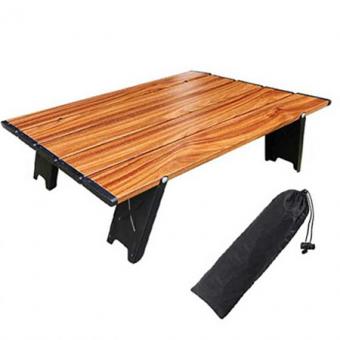
Marca : FABBRICA ANHUI FEISTEL Produzione correlata : OEM e ODM Prodotto : un tavolo da picnic leggero, piccolo e pieghevole, perfetto per le attività all'aperto. Realizzato con materiali durevoli, è portatile, facile da configurare.
Marca : FABBRICA DI ANHUI FEISTEL Relaziona la produzione : OEM e ODM Prodotto : La sedia pieghevole Moon Chair in metallo leggero e personalizzata offre un supporto durevole e comfort, ideale per il campeggio all'aperto, con un design compatto e portatile per un facile trasporto e stoccaggio.
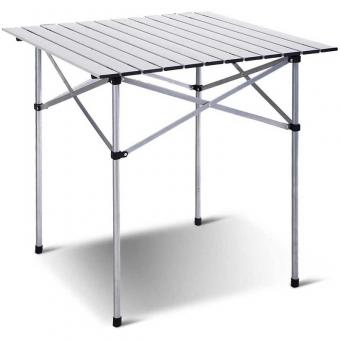
Marca : FABBRICA ANHUI FEISTEL Produzione correlata : OEM e ODM Prodotto : tavolo da picnic arrotolabile portatile da esterno: design in alluminio leggero e resistente con altezza regolabile, facile installazione e borsa da trasporto compatta per campeggio, picnic e attività all'aperto.
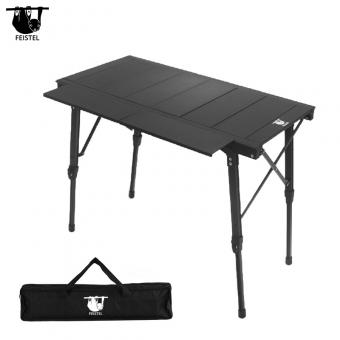
Marca : FABBRICA ANHUI FEISTEL Produzione correlata : OEM e ODM Prodotto : tavolo da campeggio IGT BBQ versatile e portatile con gambe regolabili in altezza. Ideale per cucinare all'aperto, campeggio e picnic. Leggero e pieghevole per un facile trasporto.
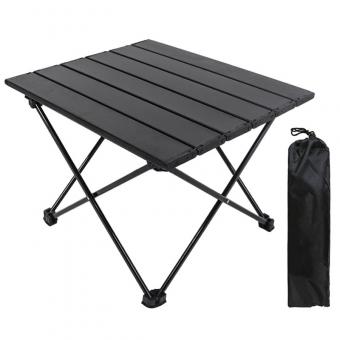
Marca : FABBRICA ANHUI FEISTEL Produzione correlata : OEM e ODM Prodotto : tavolo pieghevole in alluminio compatto e leggero, perfetto per il campeggio, la spiaggia o le attività all'aperto. Facile da trasportare, robusto e ideale per contenere cibi e bevande.
Marca : FABBRICA DI ANHUI FEISTEL Relaziona la produzione : OEM e ODM Prodotto : Questa sedia a sdraio pieghevole da campeggio in legno è dotata di una struttura robusta, un design ergonomico reclinabile e una struttura pieghevole compatta: perfetta per rilassarsi in spiaggia, in campeggio o in giardino.
Marca : FABBRICA DI ANHUI FEISTEL Relaziona la produzione : OEM e ODM Prodotto : Questa sedia da campeggio pieghevole con struttura in alluminio per esterni è dotata di schienale regolabile, design leggero ma robusto, e offre comfort portatile per il campeggio, le gite in spiaggia, i picnic e il relax all'aria aperta.
Marca : FABBRICA DI ANHUI FEISTEL Relaziona la produzione : OEM e ODM Prodotto : Il mini sgabello da escursionismo e zaino in spalla unisce un design pieghevole in resistente tessuto Oxford a una tasca portapenne creativa, offrendo portabilità, comfort e praticità per il campeggio e le avventure all'aria aperta.
Marca : FABBRICA DI ANHUI FEISTEL Relaziona la produzione : OEM e ODM Prodotto : Il lettino da viaggio per attrezzatura da escursionismo all'ingrosso è un lettino da campeggio pieghevole ad altezza regolabile che offre un supporto robusto, una facile trasportabilità e un riposo confortevole per le avventure all'aria aperta.
Marca : FABBRICA ANHUI FEISTEL Produzione correlata : OEM e ODM Prodotto : un lettino da campeggio pieghevole portatile singolo ultraleggero e compatto, ideale per lo zaino in spalla, caratterizzato da un telaio resistente, una facile installazione e una comoda borsa per il trasporto per i viaggi.
newsletter
iscriviti alla nostra newsletter per ricevere notizie, aggiornamenti, e offerte speciali via e-mail.