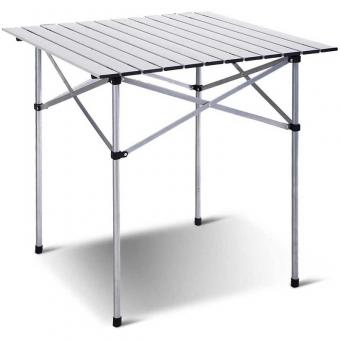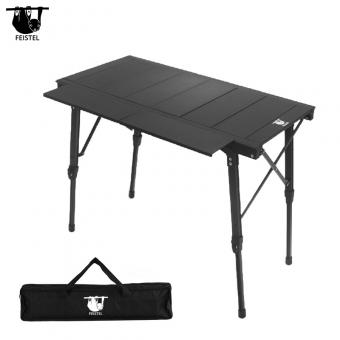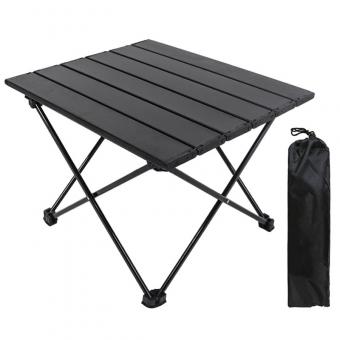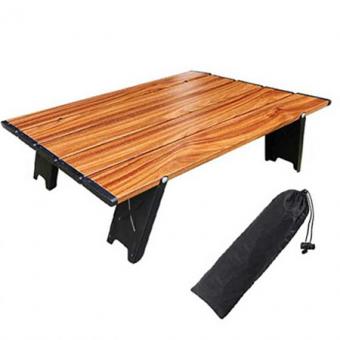
Marca : FABBRICA ANHUI FEISTEL Produzione correlata : OEM e ODM Prodotto : un tavolo da picnic leggero, piccolo e pieghevole, perfetto per le attività all'aperto. Realizzato con materiali durevoli, è portatile, facile da configurare.
né benvenuto nel nostro sito web!
Per saperne di piùScegliere un'amaca può sembrare opprimente. Entrando in un qualsiasi negozio di articoli per l'outdoor o navigando online, ti troverai di fronte a una sconcertante varietà di opzioni: nylon, poliestere, cotone, ripstop, taffetà, tela e una dozzina di altri nomi di tessuti che sembrano più un esame di chimica che attrezzatura da campeggio.
Ecco la verità: non esiste un unico tessuto "migliore" in assoluto per le amache. Il materiale giusto dipende interamente da come, dove e quando intendi usare la tua amaca. Questa guida analizza i tessuti per amache più comuni, i loro punti di forza e di debolezza, e le specifiche chiave da comprendere, così potrai scegliere il materiale giusto per te.
Il cotone rimane lo standard di riferimento per il comfort delle amache, e c'è un ottimo motivo se è stato il materiale preferito per secoli. Le amache in cotone offrono una sensazione incredibilmente morbida e piacevole sulla pelle, oltre a traspirare benissimo nelle calde notti d'estate. La struttura delle fibre naturali crea minuscole sacche d'aria che garantiscono un'eccellente traspirabilità, rendendo il cotone ideale per pigri pisolini pomeridiani in giardino o in veranda.
Le amache in cotone uniscono spesso tre strati progettati per adattarsi a ogni tipo di corporatura. Questa capacità di adattamento fa sì che l'amaca si modelli sulle tue forme, distribuendo il peso in modo uniforme e riducendo i punti di pressione.
I lati negativi? Il cotone è pesante, ingombrante e assorbe l'umidità come un asciugamano — trattenendo ogni goccia di sudore e condensa. Impiega un'eternità ad asciugarsi ed è altamente soggetto a muffa e deterioramento. Se non appositamente trattato, il cotone può essere soggetto alla formazione di muffa. Il cotone è una scelta poco adatta per il campeggio all'aperto, a meno che tu non rimanga nello stesso posto per settimane.
Ideale per: Relax in giardino, uso interno, case al mare e per chiunque dia priorità alla morbidezza e alla traspirabilità rispetto alla trasportabilità e alla resistenza agli agenti atmosferici.
Il nylon è il campione ultralight tra i tessuti per amache: si compatta in poco spazio, si asciuga all'istante e resiste alle abrasioni. Per gli escursionisti e chi affronta lunghi cammini, il nylon è la scelta obbligata perché la durevolezza e la resistenza alle intemperie contano più del comfort quando ci si trova a chilometri dalla civiltà.
Amache in nylon sono più leggere, si ripiegano in dimensioni minori e si asciugano rapidamente, motivo per cui sono preferite dagli escursionisti. Una tipica amaca da zaino in nylon si ripiega fino a raggiungere circa le dimensioni di un pompelmo. Il nylon ha una maggiore elasticità a parità di peso, il che gli consente di adattarsi meglio alla forma del corpo e crea una superficie di riposo più morbida e accogliente. Molte persone preferiscono il nylon al poliestere proprio perché amano un po' di elasticità nella loro amaca.
Gli svantaggi? Il nylon offre meno elasticità rispetto al cotone e può risultare scivoloso sulla pelle. È più caldo e risulta meno "aderente" rispetto al cotone. Il nylon ha un tasso di assorbimento dell'umidità più elevato (circa 2–4%) rispetto al poliestere, il che significa che in ambienti molto umidi può sviluppare cattivi odori se non asciugato prontamente. Il nylon è anche meno resistente ai raggi UV rispetto al poliestere: un'esposizione prolungata al sole può degradare il tessuto nel tempo.
Ideale per: Zaino in spalla, escursionismo a lunga distanza, cicloturismo e qualsiasi avventura in cui il peso e la compattezza sono fondamentali.
Il poliestere è il cugino più robusto del nylon. È molto più resistente e più morbido sulla pelle. Le amache in poliestere possono resistere meglio agli agenti atmosferici e sono più rigide e meno elastiche del cotone.
Il più grande vantaggio del poliestere è la resistenza ai raggi UV. Resiste meglio nel tempo alla luce diretta del sole, rendendolo ideale per installazioni esterne permanenti o per un'esposizione prolungata al sole. Il poliestere si asciuga più rapidamente del cotone e ha una maggiore resistenza a muffe e funghi. Le miscele di poliestere aggiungono resistenza ai raggi UV e un'asciugatura più rapida, mantenendo al contempo una sensazione simile al tessuto. È anche idrofobo: tende a espellere l'umidità invece di assorbirla.
Alcuni utenti preferiscono il poliestere al nylon perché si allunga meno, creando una superficie di riposo più solida e prevedibile. Per le persone più pesanti, la ridotta elasticità del poliestere può offrire un supporto migliore.
Gli svantaggi? Il poliestere è più pesante e meno compatto del nylon. Ha un'elasticità leggermente inferiore, che alcuni trovano meno confortevole per l'adattamento al corpo. È anche più difficile da trovare rispetto al nylon ripstop, quindi la maggior parte dei produttori opta per il nylon per le amache da zaino.
Ideale per: Installazioni esterne permanenti, allestimenti in giardino, uso in spiaggia, campeggio in auto e chiunque dia priorità alla durata e alla resistenza ai raggi UV rispetto al peso ultraleggero.
Oltre al materiale di base, la motivo di tessitura influenza in modo significativo la sensazione e le prestazioni di un'amaca.
Nylon ripstop presenta un motivo di tessitura rinforzato: una griglia di fili più spessi intrecciati nel tessuto a intervalli regolari. Questa griglia impedisce letteralmente agli strappi di allargarsi. Pensa al nylon ripstop come al tessuto supereroe del mondo outdoor: è leggero, incredibilmente resistente e progettato per sopportare le sollecitazioni dell'escursionismo. La maggior parte delle amache da campeggio di qualità utilizza nylon ripstop da 20D a 40D, trovando il perfetto equilibrio tra durata e ingombro.
Taffetà è un motivo di tessitura diverso: liscio, a trama fitta e privo della griglia di rinforzo del ripstop. Il taffetà di nylon è resistente e può sopportare un uso regolare, ma manca della morbidezza di altre tessiture. Il taffetà di poliestere è più rigido, creando una superficie di riposo più solida.
Tessuti premium come Hexon e HyperD fanno un passo avanti. Hexon 1.6 è classificato per 350 libbre e ha una speciale griglia ripstop che riduce l'elasticità e aggiunge un'incredibile resistenza, il tutto risultando morbido come il cotone e per nulla simile alla plastica. HyperD, al contrario, ha un motivo ripstop a griglia diamantata che lo rende più morbido e setoso, sebbene non così solido come Hexon.
Vedrai spesso numeri come 20D, 40D, o 70D associati ai tessuti per amache. Denier è una misura dello spessore e della resistenza del filo. Un denier più alto significa un tessuto più spesso, più resistente e più pesante. Un denier più basso significa un tessuto più sottile, più leggero e più compatto.
Denier
Uso tipico
Capacità di carico
20D (1.0 oz)
Backpacking ultraleggero
~200 libbre
40D (1.6 oz)
Backpacking multiuso
~275–350 libbre
70D (1.9 oz)
Heavy-duty / utenti più pesanti
~350–400 libbre
Le amache a strato singolo utilizzano solitamente nylon o poliestere con spessori che variano da Da 20D/1,0 oz a 70D/1,9 oz, con limiti di peso che variano da da 250 libbre a 400 libbre. Per occupanti di peso superiore a 300 libbre, sono generalmente consigliati tessuti 70D o strutture a doppio strato.
Il compromesso è semplice: denari più alti = maggiore durata e maggiore capacità di carico, ma anche più peso e ingombro nello zaino. Denari più bassi = più leggero e più comprimibile, ma meno resistente e con una capacità di carico inferiore.
|
Caratteristica |
Cotone |
Nylon |
Poliestere |
|
Comfort |
★★★★★ (morbido, traspirante) |
★★★★ (elastico, si adatta alle forme) |
★★★★ (rigido, di supporto) |
|
Peso |
★★ (pesante) |
★★★★★ (ultraleggero) |
★★★ (moderato) |
|
Comprimibilità |
★ (ingombrante) |
★★★★★ (si comprime in poco spazio) |
★★★ (moderata) |
|
Velocità di asciugatura |
★ (molto lenta) |
★★★★★ (istantanea) |
★★★★ (veloce) |
|
Resistenza ai raggi UV |
★★ |
★★★ |
★★★★★ |
|
Resistenza alla muffa |
★ |
★★★★ |
★★★★★ |
|
Durata |
★★★ |
★★★★ |
★★★★★ |
|
Utilizzo ideale |
Cortile, interno |
Zaino in spalla, viaggio |
Esterno permanente, spiaggia |
Scegli il cotone se:Desideri il massimo della morbidezza e della traspirabilità per rilassarti in cortile, fare un riposino in veranda o per uso interno. Assicurati solo di tenerlo asciutto e al riparo dalla pioggia.
Scegli il nylon se:Sei un escursionista, un thru-hiker o un viaggiatore che ha bisogno dell'opzione più leggera e compatta possibile. L'elasticità e il rapporto comfort-peso del nylon sono impareggiabili per muoversi in modo rapido e leggero.
Scegli il poliestere se:Stai installando un'amaca da esterno permanente, campeggi sotto il sole diretto o desideri l'opzione più resistente, anti-UV e a bassa manutenzione. Il poliestere è il cavallo di battaglia che continua a offrire prestazioni anno dopo anno.
Scegli un ripstop premium (Hexon, HyperD, ecc.) se:Vuoi il meglio di tutti i mondi: prestazioni leggere con comfort eccezionale, resistenza e un tessuto che risulta morbido sulla pelle.
Il tessuto per amaca "migliore" non esiste nel vuoto. Esiste in relazione alle tue esigenze, alle tue avventure e alla tua definizione di comfort. Scegli di conseguenza e buona sospensione.
categorie
nuovo blog
Marca : FABBRICA ANHUI FEISTEL Produzione correlata : OEM e ODM Prodotto : un tavolo da picnic leggero, piccolo e pieghevole, perfetto per le attività all'aperto. Realizzato con materiali durevoli, è portatile, facile da configurare.
Marca : FABBRICA DI ANHUI FEISTEL Relaziona la produzione : OEM e ODM Prodotto : La sedia pieghevole Moon Chair in metallo leggero e personalizzata offre un supporto durevole e comfort, ideale per il campeggio all'aperto, con un design compatto e portatile per un facile trasporto e stoccaggio.
Marca : FABBRICA ANHUI FEISTEL Produzione correlata : OEM e ODM Prodotto : tavolo da picnic arrotolabile portatile da esterno: design in alluminio leggero e resistente con altezza regolabile, facile installazione e borsa da trasporto compatta per campeggio, picnic e attività all'aperto.
Marca : FABBRICA ANHUI FEISTEL Produzione correlata : OEM e ODM Prodotto : tavolo da campeggio IGT BBQ versatile e portatile con gambe regolabili in altezza. Ideale per cucinare all'aperto, campeggio e picnic. Leggero e pieghevole per un facile trasporto.
Marca : FABBRICA ANHUI FEISTEL Produzione correlata : OEM e ODM Prodotto : tavolo pieghevole in alluminio compatto e leggero, perfetto per il campeggio, la spiaggia o le attività all'aperto. Facile da trasportare, robusto e ideale per contenere cibi e bevande.
Marca : FABBRICA DI ANHUI FEISTEL Relaziona la produzione : OEM e ODM Prodotto : Questa sedia a sdraio pieghevole da campeggio in legno è dotata di una struttura robusta, un design ergonomico reclinabile e una struttura pieghevole compatta: perfetta per rilassarsi in spiaggia, in campeggio o in giardino.
Marca : FABBRICA DI ANHUI FEISTEL Relaziona la produzione : OEM e ODM Prodotto : Questa sedia da campeggio pieghevole con struttura in alluminio per esterni è dotata di schienale regolabile, design leggero ma robusto, e offre comfort portatile per il campeggio, le gite in spiaggia, i picnic e il relax all'aria aperta.
Marca : FABBRICA DI ANHUI FEISTEL Relaziona la produzione : OEM e ODM Prodotto : Il mini sgabello da escursionismo e zaino in spalla unisce un design pieghevole in resistente tessuto Oxford a una tasca portapenne creativa, offrendo portabilità, comfort e praticità per il campeggio e le avventure all'aria aperta.
Marca : FABBRICA DI ANHUI FEISTEL Relaziona la produzione : OEM e ODM Prodotto : Il lettino da viaggio per attrezzatura da escursionismo all'ingrosso è un lettino da campeggio pieghevole ad altezza regolabile che offre un supporto robusto, una facile trasportabilità e un riposo confortevole per le avventure all'aria aperta.
Marca : FABBRICA ANHUI FEISTEL Produzione correlata : OEM e ODM Prodotto : un lettino da campeggio pieghevole portatile singolo ultraleggero e compatto, ideale per lo zaino in spalla, caratterizzato da un telaio resistente, una facile installazione e una comoda borsa per il trasporto per i viaggi.
RIMANIAMO CONNESSI :