Come leggere le specifiche del letto da campeggio: una guida per principianti alla capacità di peso, alle dimensioni da imballato e al valore R
2026-03-03
Scegliere il tuo primo letto da campeggio può sembrare complicato. Tra portata, dimensioni da chiuso, valori R e denari del tessuto, la scheda tecnica spesso sembra una lingua straniera. Eppure, comprendere questi numeri fa la differenza tra una notte di sonno beato sotto le stelle e una notte insonne e infelice a contare pecore o zanzare.
Questa guida per principianti svela i tre requisiti più importanti per un letto da campeggio:
capacità di peso
,
dimensioni imballate
, E
Valore R
Una volta capito cosa significano realmente questi numeri per il tuo comfort e la tua sicurezza, non avrai più dubbi sull'acquisto di un lettino da campeggio.
Perché le specifiche del letto da campeggio sono importanti
Prima di addentrarci nei numeri, vale la pena capire perché le specifiche meritano la vostra attenzione. Un letto da campeggio, che sia un lettino rialzato, un materasso ad aria o un materassino, è la vostra barriera contro il terreno freddo e umido.
Fornisce il supporto che previene la rigidità mattutina e l'isolamento che ti tiene al caldo quando le temperature scendono.
Il giusto letto da campeggio trasforma il dormire all'aperto da "duraturo" a "piacevole". La scelta sbagliata può portare a un sonno di scarsa qualità, notti fredde e persino problemi di sicurezza in condizioni estreme.
Imparando a leggere correttamente le specifiche, potrai adattare il letto alle tue esigenze specifiche, che tu sia un campeggiatore in auto per il fine settimana, un escursionista che conta ogni grammo o un amante del freddo.
Decodificare la capacità di peso: più di un semplice numero
Cosa significa realmente la capacità di peso
Capacità di peso
—talvolta indicato come "carico massimo" o "limite di peso"—indica il peso massimo dell'utente che il letto da campeggio può supportare in sicurezza. Questa specifica non è negoziabile né per motivi di sicurezza né per la durata.
.
Per i lettini da campeggio, la capacità di peso varia in genere da
da 110 kg a 200 kg
(circa 240-440 libbre) a seconda della costruzione. Ad esempio, il lettino da campeggio Decathlon Second supporta un peso massimo di
110 chili
, mentre le opzioni premium come Helinox Cot One gestiscono fino a
145 chili
(320 libbre)
I modelli militari più pesanti spesso superano queste cifre.
Perché non dovresti mai superare i limiti di peso
Superare la capacità di peso indicata comporta i seguenti rischi:
cedimento strutturale
: I telai possono piegarsi o collassare durante la notte
Strappo del tessuto
: La superficie di appoggio potrebbe rompersi sotto stress eccessivo
Instabilità
: Il letto potrebbe ribaltarsi o abbassarsi pericolosamente
Garanzia annullata
: La maggior parte dei produttori esclude esplicitamente i danni da sovraccarico
Come scegliere la giusta capacità di peso
Quando si valuta la capacità di carico, considerare:
Il tuo peso più il margine
: Aggiungere 10-15 kg al peso corporeo per tenere conto di sacchi a pelo, vestiti e movimento durante il sonno. Un utente che pesa 90 kg dovrebbe cercare letti con una classificazione di almeno
100-110 kg
.
Letti condivisi
: Per i letti matrimoniali o le culle progettate per due persone, verificare se la capacità è per persona o totale.
Esempio reale
: Il lettino isolato convertibile Helinox Cot One supporta
145 chili
e pesa solo
2,86 kg
—un impressionante rapporto resistenza-peso ottenuto attraverso
Lega di alluminio DAC TH72M
costruzione
.
Capire le dimensioni di un prodotto imballato: l'equazione della portabilità
Due misurazioni critiche
Le dimensioni compatte si presentano in due forme:
dimensioni imballate
(lunghezza × larghezza × altezza quando piegato) e
volume imballato
(spesso espresso in litri). Entrambi i valori sono importanti, ma per ragioni diverse.
Dimensioni imballate
dirti se il letto entra nel bagagliaio della tua auto, nello zaino o nell'armadio. Il letto da campeggio Basic di Decathlon, ad esempio, si ripiega fino a
80 × 30 × 10 centimetri
con un volume di
17 litri
e peso totale di
5,5 kg
È abbastanza compatto per il campeggio in auto, ma troppo ingombrante per il viaggio con lo zaino in spalla.
Volume imballato
aiuta a confrontare la portabilità tra diversi tipi di letto. Un materassino da campeggio leggero potrebbe comprimersi per
2-3 litri
, mentre un lettino da campeggio pieno occupa
15-20 litri
o più
.
Il compromesso: dimensioni ridotte vs. comfort
Ecco la realtà che ogni campeggiatore si trova ad affrontare:
dimensioni ridotte solitamente significano meno comfort
Comprendere questo compromesso ti aiuta a scegliere saggiamente:
Cosa fare
Cerca nelle specifiche delle dimensioni della confezione
Per i backpacker
: Dare priorità al volume compresso sotto
5 litri
e peso sotto
1 chilogrammo
Cercare
cuscinetti in schiuma a celle chiuse
o di alta qualità
materassini gonfiabili
con
Nylon laminato in TPU
costruzione
.
Per camperisti
: Le dimensioni imballate contano meno, ma verifica le dimensioni rispetto all'area di carico del tuo veicolo. Un lettino di livello militare che misura
97 × 18 × 20 centimetri
quando piegato
si adatta alla maggior parte delle berline, mentre le opzioni più ingombranti potrebbero richiedere un SUV o un portapacchi.
Per i viaggiatori che volano verso destinazioni
: Assicurarsi che la lunghezza del bagaglio a mano sia conforme ai requisiti del bagaglio a mano della compagnia aerea (in genere inferiore a 55-60 cm). L'Helinox Cot One si ripiega fino a
64 centimetri
—troppo lungo per la maggior parte dei bagagli a mano consentiti, ma gestibile come bagaglio da stiva
.
Padroneggiare il valore R: il tuo QI di isolamento
Cosa misura realmente il valore R
Valore R
Misura la resistenza di un materiale al flusso di calore. Nei letti da campeggio, indica quanto bene il letto isola dal terreno freddo. Più alto è il valore R, migliore è l'isolamento.
.
Questa specifica è fondamentale perché
conduzione a terra
La perdita di calore attraverso il contatto diretto con la terra è uno dei modi più rapidi per prendere freddo di notte. Anche il sacco a pelo più caldo non sarà d'aiuto se il letto non ha un valore R adeguato.
Linee guida sul valore R per stagione
Gli esperti del settore raccomandano i seguenti valori R minimi:
Campeggio estivo (notti calde)
: Valore R
da 1,0 a 2,0
— sufficiente per condizioni miti
Utilizzo in tre stagioni (dalla primavera all'autunno)
: Valore R
da 2,0 a 4,0
— gestisce la maggior parte delle condizioni di campeggio
Campeggio con temperature fredde (vicino/sotto lo zero)
: Valore R
da 4,0 a 5,5
— essenziale per il comfort invernale
Spedizioni invernali/freddo estremo
: Valore R
5.5+
— per avventure impegnative con tempo freddo
Il lettino Helinox Cot One Convertible Insulated è dotato di un cuscinetto integrato con
Valore R di 5
, rendendolo adatto per "campeggi in tutte le stagioni" e temperature ben al di sotto dello zero
.
Come funziona il valore R nei diversi tipi di letto
lettini da campeggio
: I lettini standard senza imbottitura offrono un isolamento minimo (valore R efficace)
0,5-1,0
) perché l'aria circola sotto. Per migliorare il calore, aggiungi un materassino o scegli un modello integrato come l'Helinox isolato
.
materassi ad aria
: I materassi ad aria semplice hanno valori R bassi (
1.0-2.0
) perché l'aria trasferisce il calore in modo efficiente. Cerca modelli con
strati di isolamento interno
O
barriere termoriflettenti
.
cuscinetti in schiuma
: I cuscinetti in schiuma a celle chiuse offrono un isolamento affidabile e antiforatura con valori R che in genere vanno da
da 1,5 a 2,5
per 1 cm di spessore. L'impilamento dei cuscinetti somma i valori R
.
materassini autogonfiabili
: Questi combinano l'isolamento in schiuma con il comfort dell'aria, ottenendo valori R da
Da 2,0 a 5,0+
a seconda dello spessore e dei materiali.
Esempio di valore R nel mondo reale
Il lettino Helinox Cot One Convertible Insulated raggiunge il suo
Valore R di 5
attraverso un
materassino isolante autogonfiabile
che sostituisce la superficie standard del letto in tessuto
Questo design eleva chi dorme
17 cm da terra
garantendo al contempo "prestazioni in tutte le stagioni" grazie all'efficace isolamento del terreno
.
Un recensore ha osservato che con questa configurazione, "pietre, ceppi e coni non si sentono" e il livello di comfort ha eliminato la necessità di imbottitura aggiuntiva durante un viaggio di una settimana.
.
Specifiche critiche aggiuntive
Materiale del telaio
I telai dei letti da campeggio solitamente utilizzano:
Acciaio
: Pesante ma durevole e conveniente. Cerca
acciaio verniciato a polvere
per resistere alla ruggine
Il lettino da campeggio Decathlon Basic utilizza un
acciaio e poliammide
telaio
.
lega di alluminio
: Più leggero dell'acciaio con eccellente resistenza alla corrosione. Leghe premium come
Lega di alluminio DAC TH72M
(utilizzati nei prodotti Helinox) offrono eccezionali rapporti resistenza-peso
.
alluminio 6061 o 7075
: Leghe di alta qualità presenti nei lettini premium, che offrono resistenza di livello aerospaziale con un peso minimo
.
Specifiche del tessuto
Denaro (D)
Misura lo spessore e la resistenza del tessuto. Le valutazioni più comuni includono:
poliestere 500D
: Presente nei lettini di livello militare, offre un'eccellente durata per le condizioni sul campo
Tessuto Oxford 600D
: Comune nei letti da campeggio ricreativi, bilanciamento del peso e longevità
Denari più alti
generalmente significa maggiore durata ma anche aumento di peso
Il letto da campeggio leggero J3Seven utilizza
poliestere 500D
per la sua copertura, progettata per resistere all'uso ripetuto sul campo
.
Dimensioni: Dimensioni assemblate
Non sottovalutare le dimensioni del prodotto assemblato: sono loro a determinare se ti troverai davvero a tuo agio:
Lunghezza
: Le persone alte (oltre 183 cm/6'0") dovrebbero cercare letti
190-200 centimetri
lungo. Le misure Helinox Cot One
190 centimetri
standard, con un
210 centimetri
versione lunga disponibile
.
Larghezza
: I lettini standard vanno da
60-68 centimetri
Largo
Le opzioni più ampie offrono più spazio per dormire, ma occupano più superficie del pavimento della tenda.
Altezza
: Letti inferiori (
20 centimetri
) sono più piccoli ma offrono meno spazio sotto il letto. I letti più alti (
44 centimetri
) offrono ampio spazio di archiviazione ma ti fanno sentire più a casa
.
Mettere tutto insieme: scegliere il letto da campeggio ideale
Scenario 1: Il camper del fine settimana
Priorità
: Comfort anziché ultraleggero
Cercare
: Lettino con struttura in acciaio con
Capacità 110-145 kg
,
Tessuto 500D-600D
, dimensioni imballate inferiori a
20 litri
e aggiungi un materassino separato per il calore
Scenario 2: Il viaggiatore con lo zaino in spalla
Priorità
: Peso minimo e dimensioni ridotte
Cercare
: Materassino in schiuma a cellule chiuse o gonfiabile di alta qualità con
Valore R 2,0-3,0
, volume imballato sotto
5 litri
, peso sotto
1 chilogrammo
Scenario 3: Il camper per tutte le stagioni
Priorità
: Calore e durata
Cercare
: Lettino isolato con
Valore R 4.0+
(come Helinox Cot One Convertible a
R-5
),
Capacità di 145 kg
, telaio in lega di alluminio
Scenario 4: L'organizzatore del gruppo familiare
Priorità
: Durata e facilità di installazione
Cercare
: Lettini pieghevoli con
telai in acciaio
,
poliestere 500D
tessuto,
Capacità 110-150 kg
, montaggio rapido (meno di 2 minuti)
Errori comuni dei principianti
Ignorando completamente il valore R
: Questo è l'errore più frequente. I campeggiatori si concentrano sulla comodità e sulla trasportabilità, dimenticando che il terreno freddo rovinerà il sonno notturno.
.
Supponendo che "una taglia vada bene per tutti"
: Un letto perfetto per il campeggio estivo in auto si rivelerà clamorosamente inadatto per un viaggio invernale con lo zaino in spalla. Adatta le specifiche al tuo caso d'uso effettivo.
Trascurare le dimensioni dell'imballaggio per il viaggio
: Anche se il volume funziona, controlla la lunghezza effettiva del pacco in base ai vincoli del tuo veicolo o dei tuoi bagagli. L'Helinox a
64 centimetri
la lunghezza imballata si adatta ad alcune auto ma non al bagaglio a mano standard
.
Incomprensione delle classificazioni della capacità di peso
: Ricorda che la capacità include te, i vestiti e il sacco a pelo. Aggiungi un buffer di
10-15 kg
al tuo peso corporeo durante la valutazione
.
La conoscenza trasforma la tua esperienza di campeggio
Imparare a leggere le specifiche dei letti da campeggio ti trasforma da principiante confuso in acquirente informato che compra esattamente ciò di cui ha bisogno, né più né meno.
Capacità di peso
garantisce la tua sicurezza e la longevità del letto.
Dimensioni imballate
determina se la tua attrezzatura è adatta al tuo stile di avventura.
Valore R
garantisce calore quando le temperature scendono. Insieme, queste tre specifiche ti forniscono tutto ciò che ti serve per scegliere con saggezza.
Il letto da campeggio perfetto esiste per ogni avventuriero, che tu sia un backpacker ultraleggero che conta i grammi, un campeggiatore in famiglia che dà priorità allo spazio o un amante del freddo in cerca di protezione per tutte le stagioni. Comprendendo il significato dei numeri, troverai il tuo e godrai finalmente del sonno ristoratore e rigenerante che rende le avventure all'aria aperta davvero memorabili.
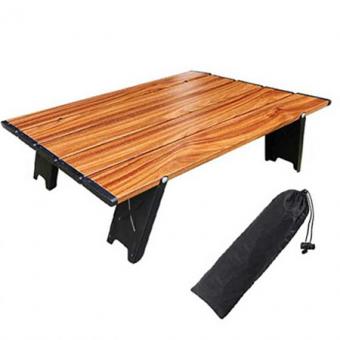
Marca : FABBRICA ANHUI FEISTEL Produzione correlata : OEM e ODM Prodotto : un tavolo da picnic leggero, piccolo e pieghevole, perfetto per le attività all'aperto. Realizzato con materiali durevoli, è portatile, facile da configurare.
Marca : FABBRICA DI ANHUI FEISTEL Relaziona la produzione : OEM e ODM Prodotto : La sedia pieghevole Moon Chair in metallo leggero e personalizzata offre un supporto durevole e comfort, ideale per il campeggio all'aperto, con un design compatto e portatile per un facile trasporto e stoccaggio.
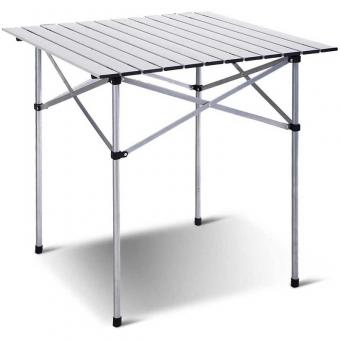
Marca : FABBRICA ANHUI FEISTEL Produzione correlata : OEM e ODM Prodotto : tavolo da picnic arrotolabile portatile da esterno: design in alluminio leggero e resistente con altezza regolabile, facile installazione e borsa da trasporto compatta per campeggio, picnic e attività all'aperto.
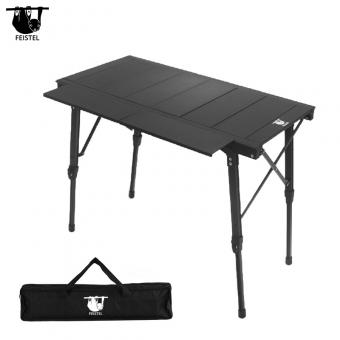
Marca : FABBRICA ANHUI FEISTEL Produzione correlata : OEM e ODM Prodotto : tavolo da campeggio IGT BBQ versatile e portatile con gambe regolabili in altezza. Ideale per cucinare all'aperto, campeggio e picnic. Leggero e pieghevole per un facile trasporto.
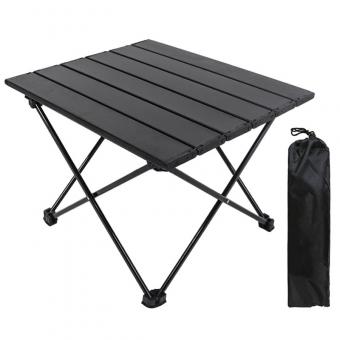
Marca : FABBRICA ANHUI FEISTEL Produzione correlata : OEM e ODM Prodotto : tavolo pieghevole in alluminio compatto e leggero, perfetto per il campeggio, la spiaggia o le attività all'aperto. Facile da trasportare, robusto e ideale per contenere cibi e bevande.
Marca : FABBRICA DI ANHUI FEISTEL Relaziona la produzione : OEM e ODM Prodotto : Questa sedia a sdraio pieghevole da campeggio in legno è dotata di una struttura robusta, un design ergonomico reclinabile e una struttura pieghevole compatta: perfetta per rilassarsi in spiaggia, in campeggio o in giardino.
Marca : FABBRICA DI ANHUI FEISTEL Relaziona la produzione : OEM e ODM Prodotto : Questa sedia da campeggio pieghevole con struttura in alluminio per esterni è dotata di schienale regolabile, design leggero ma robusto, e offre comfort portatile per il campeggio, le gite in spiaggia, i picnic e il relax all'aria aperta.
Marca : FABBRICA DI ANHUI FEISTEL Relaziona la produzione : OEM e ODM Prodotto : Il mini sgabello da escursionismo e zaino in spalla unisce un design pieghevole in resistente tessuto Oxford a una tasca portapenne creativa, offrendo portabilità, comfort e praticità per il campeggio e le avventure all'aria aperta.
Marca : FABBRICA DI ANHUI FEISTEL Relaziona la produzione : OEM e ODM Prodotto : Il lettino da viaggio per attrezzatura da escursionismo all'ingrosso è un lettino da campeggio pieghevole ad altezza regolabile che offre un supporto robusto, una facile trasportabilità e un riposo confortevole per le avventure all'aria aperta.
Marca : FABBRICA ANHUI FEISTEL Produzione correlata : OEM e ODM Prodotto : un lettino da campeggio pieghevole portatile singolo ultraleggero e compatto, ideale per lo zaino in spalla, caratterizzato da un telaio resistente, una facile installazione e una comoda borsa per il trasporto per i viaggi.
newsletter
iscriviti alla nostra newsletter per ricevere notizie, aggiornamenti, e offerte speciali via e-mail.