La guida definitiva per scegliere la tua prima attrezzatura per amaca nel 2026
2026-01-04
Mentre entriamo nel 2026, il fascino di dormire sotto le stelle, dolcemente sollevati da terra, continua ad attrarre sempre più persone verso il campeggio con amaca. È uno stile di soggiorno all'aperto che offre un mix unico di comfort, impatto ambientale minimo e un profondo legame con la natura. A differenza del tradizionale campeggio in tenda, un sistema di amaca ben scelto vi solleva da terreni rocciosi, in pendenza o bagnati, spesso risultando più leggero e compatto di una tenda e un materassino simili.
Per chi si cimenta per la prima volta, tuttavia, la varietà di opzioni di equipaggiamento può sembrare opprimente. Questa guida è pensata per demistificare il processo, analizzando ogni componente essenziale di un
sistema di campeggio con amaca
per aiutarti a fare scelte consapevoli e sicure per la tua avventura inaugurale.
L'amaca stessa è il tuo letto, la tua sedia e il tuo rifugio. Per il campeggio notturno, non stai cercando un lettino decorativo da giardino, ma un'amaca costruita appositamente.
amaca da campeggio con estremità arricciate
.
Decisione chiave n. 1: zanzariera integrata o separata?
Nel 2026 questa rimarrà la prima scelta importante.
Zanzariera integrata:
La maggior parte delle amache sono adatte ai principianti. Queste amache sono dotate di un
zanzariera cucita o con cerniera
, offrendo una protezione senza soluzione di continuità e garantita dagli insetti. Modelli come il
Warbonnet Blackbird XLC
O
Dutchware Chameleon
sono apprezzati per la loro chiusura completa e la facilità d'uso
Sono "pronti per dormire", ma d'estate possono essere più caldi.
Zanzariera separata (amaca senza rete + zanzariera a forma di calza/frontone):
Offre la massima flessibilità. Un prodotto semplice e leggero
amaca senza rete
può essere utilizzato da solo per rilassarsi nelle giornate di bel tempo. Quando gli insetti sono fuori, si aggiunge una zanzariera esterna come una
Stile Frontey
(ingresso dal basso) o
stile calzino
netto
Questo approccio modulare è preferito dagli appassionati di ultraleggeri, ma richiede una maggiore precisione nella configurazione.
Decisione chiave n. 2: dimensioni e tessuto
Lunghezza:
Questo è fondamentale per il comfort. Per una posizione di sonno piatta e diagonale, optare per un'amaca almeno
10 piedi (3 metri) di lunghezza
Le amache più lunghe (oltre 11 piedi) offrono più spazio e una posizione ancora più piatta
.
Tessuto:
Cerca prodotti resistenti, traspiranti e
tessuti sintetici ad asciugatura rapida
come il nylon o il poliestere. Sono più resistenti, più leggeri e si asciugano più velocemente del cotone, che non è adatto al campeggio
.
Capitolo 2: Rimanere fermi - Il sistema di sospensione
Tuo
sistema di sospensione
Collega l'amaca agli alberi. Un buon sistema è facile da regolare, protegge gli alberi ed è affidabile.
Il non negoziabile: cinghie per alberi
Usa sempre
cinghie larghe e piatte per alberi
(almeno 1 pollice/2,5 cm di larghezza). Non usare mai la corda da sola, poiché può avvolgere e danneggiare la corteccia dell'albero
I cinturini moderni sono leggeri e spesso presentano più passanti cuciti.
Scelta della sospensione principale
Nel 2026 il mercato sarà dominato da diversi sistemi efficienti:
Cinghie a catena a margherita:
Il massimo della semplicità. Queste cinghie hanno passanti ogni pochi centimetri. Basta agganciare il moschettone all'anello desiderato. Sono infallibili per i principianti, ma possono essere leggermente più pesanti.
.
Sistema di fibbia Cinch:
Un ottimo equilibrio tra facilità d'uso e adattabilità. Una fibbia in metallo o plastica scorre lungo la fettuccia, consentendo infinite micro-regolazioni per ottenere la vestibilità perfetta.
.
Whoopie Slings:
Un favorito per
campeggio con amaca ultraleggera
Questi anelli regolabili realizzati in corda ad alta resistenza (come Amsteel) sono estremamente leggeri e compatti, ma hanno una leggera curva di apprendimento
.
Consiglio da professionista:
Il tuo punto di sospensione ideale ha le cinghie a circa
angolo di 30 gradi
dall'albero, creando una curva comoda e leggermente cadente nel corpo dell'amaca
.
Capitolo 3: Il tuo tetto portatile - Il telo antipioggia
UN
telo antipioggia
(o volare) non è un optional per il campeggio. Protegge dalla pioggia, blocca il vento e offre un senso di privacy.
Forme e copertura dei teloni
Teloni esagonali/asimmetrici:
Leggeri e minimali. Offrono una copertura di base direttamente sopra la linea di colmo dell'amaca. I teli asimmetrici sono più piccoli e richiedono un allineamento preciso con la posizione in cui si dorme.
.
Teloni rettangolari/quadrati:
La scelta più versatile per i principianti. Offrono una copertura abbondante, possono essere montate in diverse configurazioni (a forma di A, a veranda) e offrono spazio asciutto extra per l'attrezzatura. Almeno un telo.
11 piedi di lunghezza
è consigliato per un'amaca da 11 piedi
.
Teloni invernali/per porte:
"Tende-tenda" completamente chiuse per amache. Hanno porte che si chiudono ermeticamente, offrendo la massima protezione dai venti invernali e dalla neve che soffia.
.
Capitolo 4: Sconfiggere il freddo - Il sistema di isolamento
È qui che la maggior parte dei principianti commette un errore costoso. Un sacco a pelo standard è inefficace sotto di voi in un'amaca perché il peso del corpo comprime il materasso, annullandone il potere isolante. Questo porta a
Sindrome del sedere freddo (CBS)
È necessario un isolamento inferiore dedicato.
Opzione 1: Materassino isolante
Un materassino gonfiabile o in schiuma a celle chiuse con una buona
Valore R
(grado di isolamento) può essere utilizzato all'interno dell'amaca. È un articolo multiuso se si campeggia anche in tenda. Tuttavia, i materassini possono essere scivolosi e risultare poco confortevoli nel letto curvo dell'amaca.
.
Opzione 2: Under Quilt (UQ) - Lo standard di riferimento
UN
sotto la trapunta
è una coperta speciale che si appende sotto l'amaca, incapsulandola con un isolamento termico soffice e non compresso. Offre calore superiore e libertà di movimento. Per il comfort a temperature pari o inferiori a
65°F (18°C)
, è altamente consigliato un sottopiumino
Sebbene spesso sia l'articolo più costoso, è il miglior investimento per calore e comfort.
Isolamento superiore: trapunta superiore o sacco a pelo
In cima, puoi usare il tuo sacco a pelo attuale (aperto come una coperta) o investire in un
trapunta superiore
—un sacco a pelo senza schienale e senza cappuccio progettato per le amache, che consente di risparmiare peso e ridurre l'ingombro
.
Capitolo 5: Gli ultimi ritocchi - Accessori
Linea di cresta:
Un cordino regolabile che corre da un'estremità all'altra dell'amaca, sopra di voi. Garantisce un'appensione costante e ottimale ogni volta e offre un pratico punto in cui agganciare una tracolla, una lanterna o una piccola custodia.
Tracolla/Organizzatore per attrezzi:
Una semplice rete o una mensola in tessuto da appendere sotto di te, per tenere a portata di mano oggetti essenziali come il telefono, la lampada frontale, un libro e una bottiglia d'acqua.
Tappetino multiuso:
Come notato dai tester di attrezzature, un articolo versatile come il
Tappetino yoga da viaggio Manduka eKO Superlite
può servire come un posto pulito e isolato all'esterno dell'amaca per cambiarsi le scarpe
.
Capitolo 6: Assemblaggio del primo sistema - Un kit di avviamento per il 2026
Ecco una pratica lista della spesa per una configurazione equilibrata, adatta ai principianti e adatta al campeggio in tre stagioni:
Amaca:
Un'amaca con estremità arricciata da 11 piedi con un
zanzariera integrata con cerniera
.
Sospensione:
Un semplice, robusto
sistema di cinghie ad albero a catena di margherite
con moschettoni.
Telone:
UN
telo rettangolare in silnylon o poliestere
, almeno 11x10 piedi, con tiranti e picchetti.
Isolamento:
Un sintetico o giù
sotto la trapunta
classificato a 40°F (5°C) e un
trapunta superiore
o il tuo sacco a pelo attuale.
Accessori:
UN
linea di colmo strutturale
, UN
imbracatura per ingranaggi
, e due
Bottiglie d'acqua in stile Nalgene
.
La tua avventura ti aspetta
Scegliere la tua prima attrezzatura per amaca è un viaggio verso un nuovo tipo di libertà all'aria aperta. Comprendendo il ruolo di ogni componente – l'amaca di supporto, il telo protettivo, la sospensione fondamentale e l'isolamento vitale – passerai dall'essere un principiante incerto a un campeggiatore esperto in amaca. Ricorda, l'attrezzatura migliore è quella che ti porta all'aperto in modo comodo e sicuro. Investi saggiamente negli elementi fondamentali, soprattutto nell'isolamento, e sarai ricompensato con innumerevoli notti di riposo trascorse dondolandoti sotto le stelle. Come consiglia il team di Outdoor NC, sempre
verificare le normative locali
, utilizzare cinghie larghe per alberi e
Non lasciare traccia
affinché questi splendidi spazi rimangano accessibili a tutti
Ora vai a trovare i tuoi due alberi perfetti.
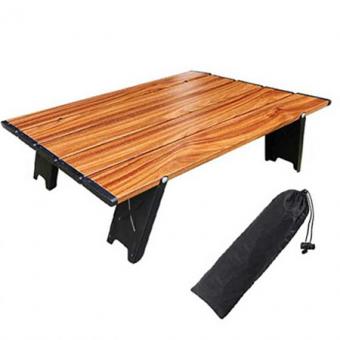
Marca : FABBRICA ANHUI FEISTEL Produzione correlata : OEM e ODM Prodotto : un tavolo da picnic leggero, piccolo e pieghevole, perfetto per le attività all'aperto. Realizzato con materiali durevoli, è portatile, facile da configurare.
Marca : FABBRICA DI ANHUI FEISTEL Relaziona la produzione : OEM e ODM Prodotto : La sedia pieghevole Moon Chair in metallo leggero e personalizzata offre un supporto durevole e comfort, ideale per il campeggio all'aperto, con un design compatto e portatile per un facile trasporto e stoccaggio.
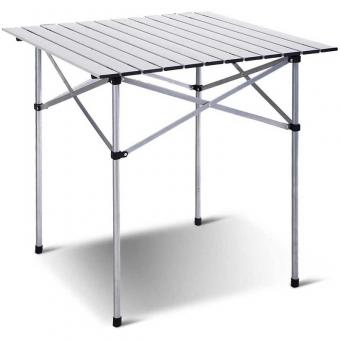
Marca : FABBRICA ANHUI FEISTEL Produzione correlata : OEM e ODM Prodotto : tavolo da picnic arrotolabile portatile da esterno: design in alluminio leggero e resistente con altezza regolabile, facile installazione e borsa da trasporto compatta per campeggio, picnic e attività all'aperto.
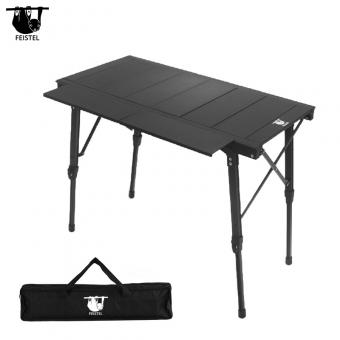
Marca : FABBRICA ANHUI FEISTEL Produzione correlata : OEM e ODM Prodotto : tavolo da campeggio IGT BBQ versatile e portatile con gambe regolabili in altezza. Ideale per cucinare all'aperto, campeggio e picnic. Leggero e pieghevole per un facile trasporto.
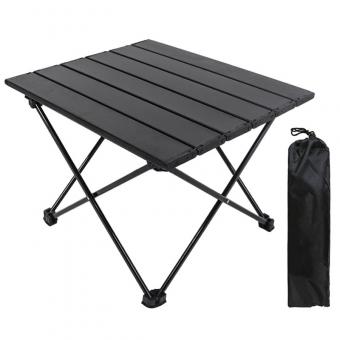
Marca : FABBRICA ANHUI FEISTEL Produzione correlata : OEM e ODM Prodotto : tavolo pieghevole in alluminio compatto e leggero, perfetto per il campeggio, la spiaggia o le attività all'aperto. Facile da trasportare, robusto e ideale per contenere cibi e bevande.
Marca : FABBRICA DI ANHUI FEISTEL Relaziona la produzione : OEM e ODM Prodotto : Questa sedia a sdraio pieghevole da campeggio in legno è dotata di una struttura robusta, un design ergonomico reclinabile e una struttura pieghevole compatta: perfetta per rilassarsi in spiaggia, in campeggio o in giardino.
Marca : FABBRICA DI ANHUI FEISTEL Relaziona la produzione : OEM e ODM Prodotto : Questa sedia da campeggio pieghevole con struttura in alluminio per esterni è dotata di schienale regolabile, design leggero ma robusto, e offre comfort portatile per il campeggio, le gite in spiaggia, i picnic e il relax all'aria aperta.
Marca : FABBRICA DI ANHUI FEISTEL Relaziona la produzione : OEM e ODM Prodotto : Il mini sgabello da escursionismo e zaino in spalla unisce un design pieghevole in resistente tessuto Oxford a una tasca portapenne creativa, offrendo portabilità, comfort e praticità per il campeggio e le avventure all'aria aperta.
Marca : FABBRICA DI ANHUI FEISTEL Relaziona la produzione : OEM e ODM Prodotto : Il lettino da viaggio per attrezzatura da escursionismo all'ingrosso è un lettino da campeggio pieghevole ad altezza regolabile che offre un supporto robusto, una facile trasportabilità e un riposo confortevole per le avventure all'aria aperta.
Marca : FABBRICA ANHUI FEISTEL Produzione correlata : OEM e ODM Prodotto : un lettino da campeggio pieghevole portatile singolo ultraleggero e compatto, ideale per lo zaino in spalla, caratterizzato da un telaio resistente, una facile installazione e una comoda borsa per il trasporto per i viaggi.
newsletter
iscriviti alla nostra newsletter per ricevere notizie, aggiornamenti, e offerte speciali via e-mail.